Introduction
Every business document communicates more than information. It also represents the organization behind it. From customer letters and proposals to employee communications and vendor correspondence, the design and presentation of a document can influence how professional and consistent a business appears.
Digital letterheads provide organizations with a standardized way to incorporate their corporate identity into electronic documents. As businesses continue moving toward digital processes, this approach is becoming increasingly relevant. In 2024, 75% of organizations surveyed by Quocirca said they were accelerating plans to digitize paper-based processes. Quocirca - Document Capture Trends 2024 This shift makes consistent digital document branding increasingly important for businesses communicating across departments, locations and digital channels.
Why Document Branding Matters in Business Communication
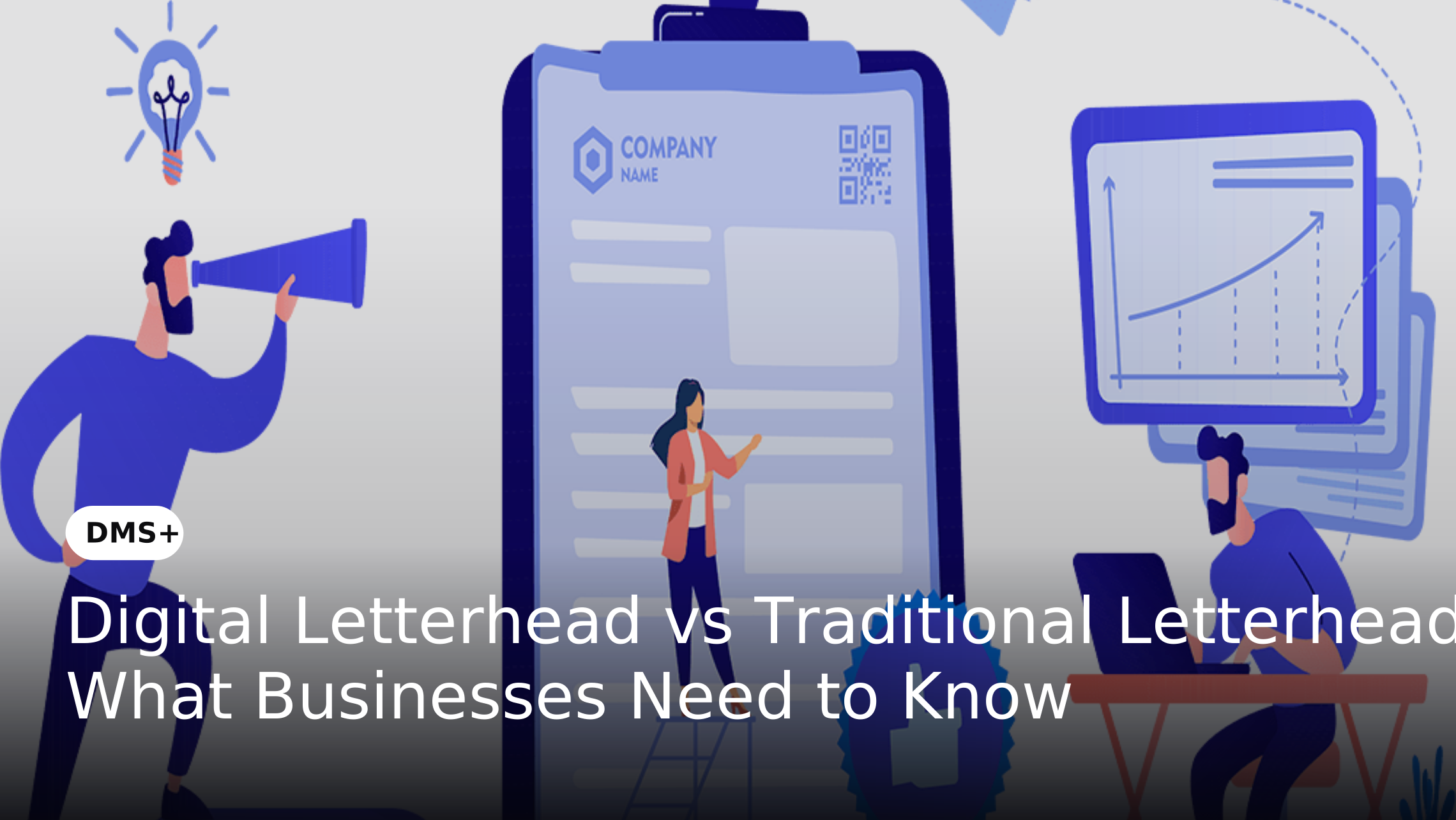
Document branding is the practice of consistently applying an organization's visual identity and corporate information to its business documents. A digital letterhead is one of the simplest ways to bring this identity into everyday communication.
A consistent document format can help employees present business information in a recognizable and professional way. More importantly, it ensures that communications created by different teams still reflect the same organization.
1. Creates a Consistent Corporate Identity
A business may communicate with customers through sales teams, customer support, finance, HR and management. Each department may create different types of documents but they should still represent the same corporate identity.
A standardized digital letterhead helps connect these communications through consistent branding elements such as the company logo, organization name, contact information and approved design.
2. Strengthens Professional Presentation
The appearance of a business document can influence how recipients perceive the organization. A professional letterhead format gives official communication a structured and recognizable appearance.
This can be particularly important for external communications where the document itself may be one of the few visible representations of the company.
3. Reinforces Brand Recognition
Consistent visual elements help recipients recognize communications from the same organization. Using an approved corporate letterhead design across business documents can reinforce this consistency over time.
The objective is not to make every document visually elaborate. Instead, the letterhead should provide a recognizable brand framework while allowing the actual business message to remain the focus.
4. How Digital Letterheads Strengthen Brand Consistency
Brand consistency becomes more challenging as organizations grow. Different departments, offices and employees may create documents independently which can result in variations in logos, fonts, contact information and formatting.
Digital letterheads provide a standardized foundation that can help reduce these variations.
5. Standardizes Business Documents
An approved digital letterhead template gives employees a consistent starting point for creating official documents.
Instead of designing the document format independently, employees can use the organization's established branding and focus on the communication itself.
6. Maintains Consistent Visual Elements
A corporate letterhead design can standardize elements such as:
Keeping these elements consistent helps create a unified appearance across different types of business communication.
7. Supports Multiple Departments
Different departments may create different documents but can still use a common branding framework.
For example, HR may create employee letters while sales teams create proposals and finance teams communicate with vendors. The content differs but the underlying corporate identity can remain consistent.
8. Helps Maintain Consistency Across Locations
Organizations with multiple offices or branches can face additional challenges in maintaining consistent business communication.
Digital templates can provide a common branding standard across locations while still allowing organizations to create specific versions where business or regulatory requirements differ.
How Digital Letterheads Improve Business Communication
Digital letterheads are not only a branding tool. They can also make business communication more consistent and practical within digital workflows.
Make Official Communication More Consistent
Employees often create documents for different audiences and purposes. A standardized digital letterhead helps provide a consistent structure for official communications regardless of who creates the document.
This can be particularly useful when several departments communicate with the same customers, suppliers or business partners.
Support Faster Digital Communication
Once an approved digital letterhead template is available, employees do not need to recreate the document structure for every communication.
The template provides the branding framework while employees focus on the content. This can make routine document creation more efficient.
Improve the Presentation of Customer Documents
Customer-facing documents are an important part of business communication. Letters, proposals, quotations and formal notices can all benefit from consistent branding.
Using the same approved corporate identity across these documents creates a more consistent experience for customers interacting with different parts of the organization.
Support Communication Across Digital Channels
Digital letterheads are particularly suited to electronic documents that are shared through email, document repositories, business applications and other digital channels.
This is increasingly relevant as organizations reduce dependence on paper-based processes. Quocirca found that organizations expected print volumes to decline by an average of 3% while scan volumes were expected to increase by 6% in 2024. Quocirca - The Future of Document Capture Digital letterheads allow organizations to retain their corporate identity as communication moves through increasingly digital document processes.
Digital Letterheads Across Business Communications
The value of a digital letterhead can vary depending on the type of communication and the audience receiving it.
1. Customer Communication
Customer letters, formal notices and service communications often represent direct interactions between an organization and its customers.
Using a consistent digital letterhead helps these documents maintain a recognizable corporate identity regardless of which department creates them.
2. Sales and Proposals
Sales teams frequently create proposals, quotations, formal letters and other customer-facing documents.
A standardized letterhead can help ensure these communications follow the organization's approved corporate branding while allowing sales teams to focus on the commercial content.
3. HR and Employee Communication
HR departments produce appointment letters, employment communications, policy notices and other official employee documents.
Using consistent digital letterheads can help ensure that employees receive formal communications that follow the organization's established identity.
4. Vendor and Partner Communication
Finance, procurement and administrative teams regularly communicate with vendors and business partners.
Standardized digital letterheads can help maintain a consistent corporate presentation across these external communications.
5. Internal Corporate Communication
Digital letterheads can also be used for formal internal communications such as management notices, policy communications and official announcements.
While not every internal message needs a letterhead, using one for formal communications can help distinguish official documents from routine messages.
Digital Letterhead and the Customer Experience
Business communication contributes to the overall experience customers have with an organization. Customers may receive documents from sales, finance, customer service and other teams at different stages of their relationship with a company.
If every document follows a different visual format, the organization can appear fragmented. Consistent digital letterheads can provide a common visual identity across these interactions. This is particularly relevant for organizations where customer communications are distributed across multiple teams. A standardized approach helps ensure that the document experience remains consistent even when the people creating the documents are different.
Consistency Across Customer Touchpoints
A customer may receive a proposal from sales, an invoice-related communication from finance and a service letter from customer support.
Using consistent corporate branding across these documents helps connect the different interactions to the same organization.
Consistency Builds Professionalism
A consistent document presentation can reinforce the perception that business processes are organized and professionally managed.
The letterhead itself does not establish credibility, but inconsistent or outdated branding can undermine the professional presentation of an otherwise well-prepared document.
Challenges That Can Affect Digital Document Branding
Creating a digital letterhead is relatively straightforward. Maintaining consistent usage across an organization is more difficult.
As organizations grow, employees may save copies locally, create modified versions or continue using older templates.
Employees Using Different Templates
Employees may create their own versions of business documents if approved templates are difficult to find or access.
This can result in different layouts, logos and contact information being used across the organization.
Outdated Branding
Corporate branding can change over time. Organizations may update logos, addresses, websites, contact information or other details.
If employees continue using locally stored templates, outdated information can remain in circulation.
Unapproved Modifications
Employees may modify a template to suit a particular requirement without realizing that the changes affect the organization's approved branding.
Even small changes can create inconsistencies when the document is used externally.
Lack of Central Visibility
When digital letterheads are stored across personal computers, email attachments and uncontrolled folders, administrators may have limited visibility into which versions employees are using.
This makes maintaining organization-wide consistency more difficult.
How a Document Management System Supports Digital Brand Consistency
A document management system can help organizations move from simply creating digital letterheads to managing them as controlled business assets.
The focus is not to make document management the primary purpose of a letterhead. Instead, it provides the governance needed to ensure that approved branding is consistently available to the people who need it.
Centralized Template Management
Approved digital letterhead templates can be stored in a central repository rather than being distributed through email or maintained on individual computers. This gives employees a consistent source for accessing approved documents.
Version Control
When branding or corporate information changes, a new approved version can replace the previous version. Version management helps organizations identify the current template and reduces the risk of employees continuing to use outdated documents.
Controlled Access
Organizations can determine who can access or modify digital letterhead templates. This can help prevent unauthorized changes to corporate branding and other official information.
Approval Workflows
Changes to important corporate templates can be reviewed before they become available for organization-wide use. This creates a controlled process for maintaining official digital letterheads.
For businesses evaluating Why Use a Document Management System, digital letterhead management is one practical example of how document control can support everyday business communication.
Best Practices for Consistent Digital Business Communication
Use an Approved Corporate Template
Create a standard digital letterhead that follows the organization's branding guidelines and make it the preferred format for official communications.
Define Which Communications Require Letterheads
Not every digital communication needs a letterhead. Establish guidelines for documents such as formal customer letters, HR communications, proposals, notices and official correspondence.
Keep Corporate Information Accurate
Review logos, addresses, contact information, websites and other information periodically to ensure the template remains current.
Avoid Excessive Design Elements
A digital letterhead should support communication rather than distract from it. Keep the design professional, readable and suitable for different document types.
Make Approved Templates Easy to Access
Employees are more likely to follow branding standards when approved templates are easy to find and use.
Control Template Changes
Limit modifications to authorized users and establish an approval process for significant changes.
Real-World Examples
Sales Team
A sales organization can use an approved digital letterhead for formal proposals, customer letters and quotations. This allows communications created by different sales representatives to maintain a consistent corporate identity.
HR Department
HR can use standardized digital letterheads for appointment letters, employee notices and formal policy communications. This creates a consistent document experience for employees.
Finance Department
Finance teams can use approved templates for formal vendor correspondence, payment communications and other business documents where a consistent corporate identity is required.
Multi-Location Organization
An organization with offices in several cities or countries can maintain a common corporate branding framework while providing location-specific templates where necessary.
Centralized management becomes particularly useful when many employees need access to approved templates.
The Role of Digital Letterheads in a Digital-First Workplace
Digital letterheads are part of a broader shift from paper-based communication toward digital document processes. Quocirca reported that 52% of organizations surveyed had digitized most of their business processes while 11% considered themselves fully paperless in its 2024 research. Quocirca - Document Capture Trends 2024
This does not mean paper communication has disappeared. More than 70% of organizations in another Quocirca study still considered printing important to their business processes. Quocirca - The Paperless Dream: The Evolution of the Modern Workplace
The practical direction for many businesses is therefore not necessarily a completely paperless environment. It is the ability to maintain a consistent corporate identity across both digital and physical communication where required.
Digital letterheads support this transition by bringing established corporate branding into electronic document workflows.
Frequently Asked Questions About Digital Letterheads and Business Communication
How does a digital letterhead improve business branding?
A digital letterhead provides a standardized format for applying corporate identity to electronic documents. It can help maintain consistent logos, colors, typography and organizational information across business communications.
How can digital letterheads improve business communication?
They provide a consistent professional format for official documents while making it easier for employees to create and distribute branded communications electronically.
Why is brand consistency important for business documents?
Consistent branding helps connect communications from different departments and locations to the same organization. It can also provide customers and business partners with a more consistent experience.
Can digital letterheads be used by different departments?
Yes. Organizations can create approved templates for HR, sales, finance, legal, administration and other departments while maintaining a common corporate identity.
Can a document management system manage digital letterheads?
Yes. A document management system can provide centralized template storage, version control, access permissions and approval workflows for digital letterheads.
Is a digital letterhead only useful for customer-facing documents?
No. Digital letterheads can also be used for formal internal communications, employee documents, vendor correspondence, management notices and other official business documents.
Conclusion
Digital letterheads can strengthen more than the visual appearance of business documents. By providing a consistent corporate identity across customer, employee, vendor and internal communications, they can help organizations create a more professional and unified document experience.
The key is to combine good design with consistent usage. Organizations can use standardized digital letterheads to support business communication while a document management system can provide the governance needed to control approved templates, versions and access. This makes digital letterheads a practical part of a broader approach to consistent and controlled business communication.