Introduction
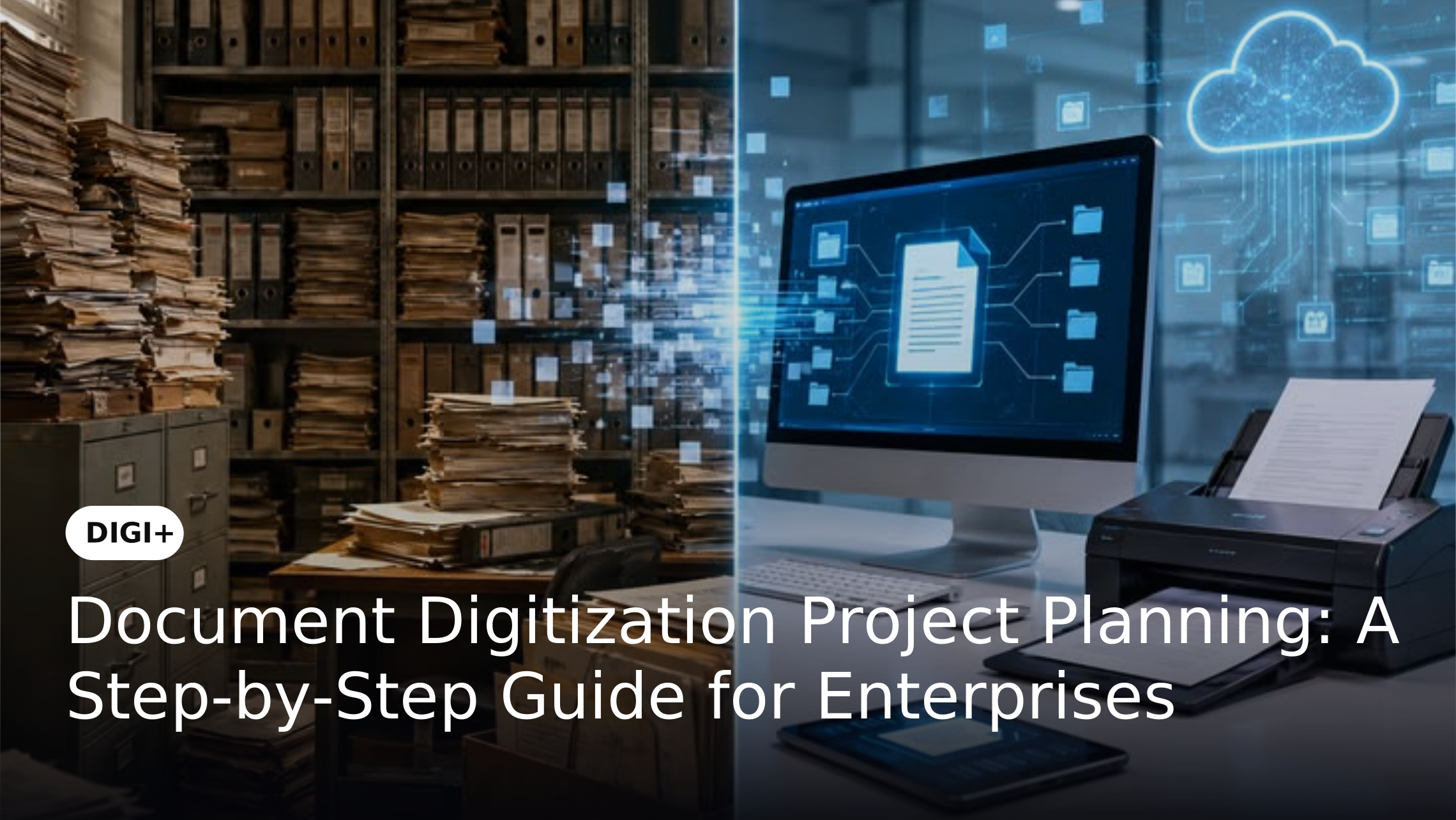
Choosing the right document digitization services provider can significantly influence the quality, security and long-term usability of your digital records. Organizations need more than basic scanning capabilities. They need a provider that can handle different document types, maintain accuracy and deliver digital information that supports their operational requirements.
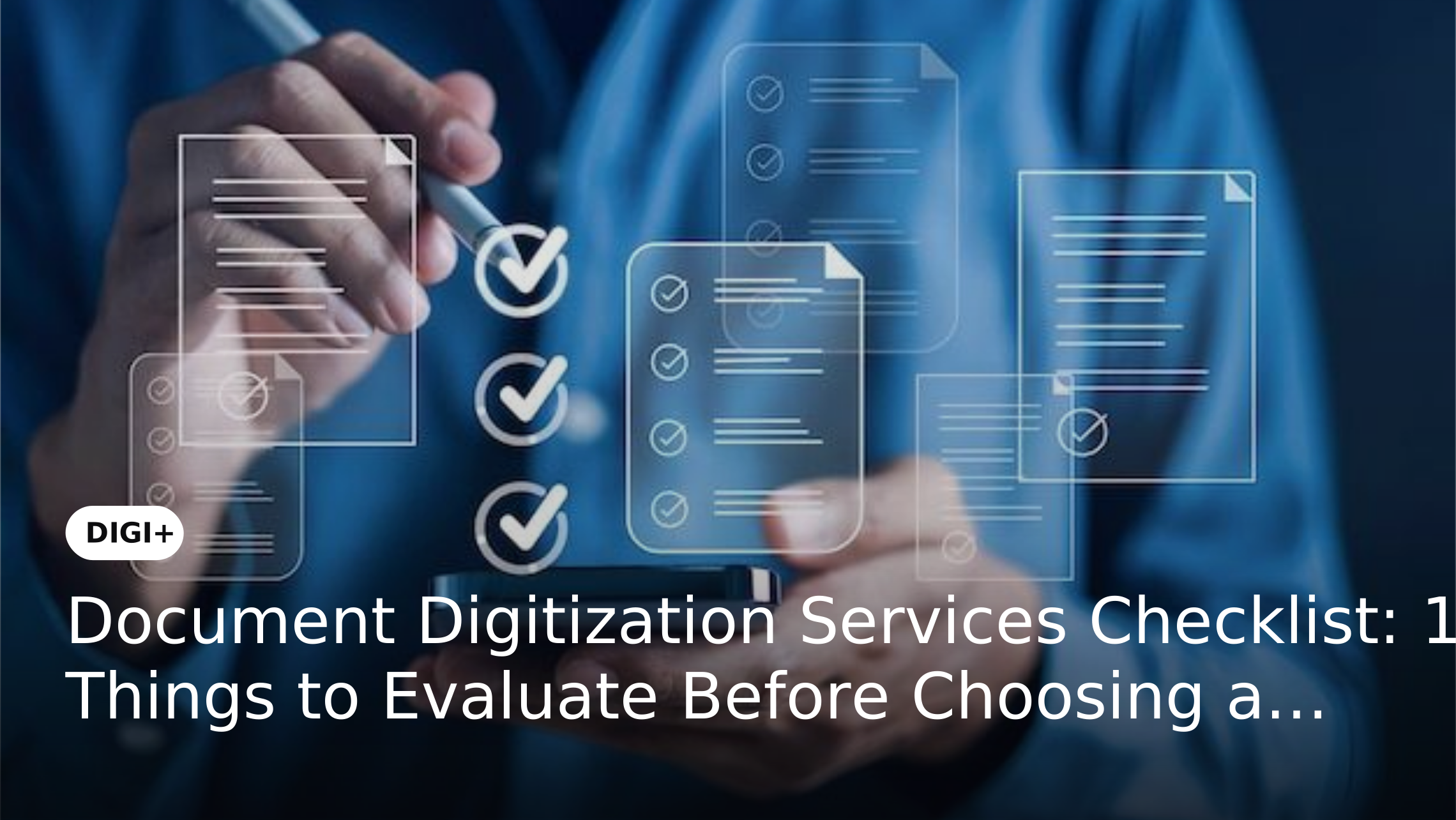
Before selecting a provider, enterprises should evaluate technical capabilities, quality standards, security practices and the ability to manage projects at scale. A structured checklist can help organizations compare providers objectively and select a digitization partner that aligns with their business requirements.
What to Define Before Evaluating a Digitization Provider
Before comparing providers, establish what your organization needs from the digitization project. Determine the types and volume of records involved, their physical condition, how frequently they are accessed and how the resulting digital files will be used.
Also define expectations for OCR, indexing, security, quality, turnaround time and scalability. Having these requirements documented makes it easier to compare providers against consistent criteria and identify the capabilities that matter most to your project.
1. Document Types and Processing Capabilities
Start by checking whether the provider can handle the specific types of documents in your collection. Standard office records may require different equipment and processes than engineering drawings, maps, photographs, bound documents or fragile records.
Ask about the provider's experience with your document formats and whether it has the technology and expertise required to process them efficiently. This can help prevent limitations when the project moves from initial batches to large-scale production.
2. Scanning and Image Quality
The quality of the initial image directly affects the usability of the resulting digital record. Evaluate the provider's capabilities for resolution, colour capture, image enhancement and different document sizes.
Ask how image quality is monitored during production and whether defined standards are used across batches. Consistent capture quality is particularly important when digitized records will serve as long-term business assets.
3. OCR and Searchability
If employees need to search the content of scanned documents, OCR becomes an important consideration. Optical Character Recognition converts text within document images into machine-readable information that can be searched and processed.
Ask about OCR accuracy, supported languages and how the provider handles poor-quality scans, complex layouts or other challenging documents. The requirements should reflect how your organization intends to access and use the information.
4. Indexing and Metadata
Digitized documents become more useful when users can identify and retrieve them efficiently. Ask how the provider will organize your records and whether its indexing approach can accommodate your existing business requirements.
Consider requirements such as document type, record number, date, department, project and other relevant metadata. Consistent indexing and metadata standards can make large digital collections easier to navigate and manage.
5. Quality Assurance Process
A reliable provider should have a defined quality assurance process rather than simply delivering scanned files. Ask how the provider identifies errors before the completed records are handed over.
Quality checks may include missing pages, duplicate pages, incorrect orientation, poor image quality, OCR errors and incorrect indexing. Understanding the validation process can help ensure that problems are identified and corrected before they affect the final digital collection.
6. Data Security and Confidentiality
Digitization projects can involve sensitive business information including financial records, contracts, employee files and customer information. Security should therefore be evaluated throughout the document handling process.
Ask how information is protected during collection, processing, storage and transfer. The provider's security practices should align with your organization's internal policies and any applicable regulatory or contractual requirements.
7. Scalability and Processing Capacity
A provider capable of handling a small document batch may not necessarily be equipped for an enterprise-scale project. Evaluate whether the provider has the infrastructure, workforce and processes required to manage your expected document volume.
Also consider future requirements. If digitization will eventually expand across departments or locations, choose a provider that can increase processing capacity without compromising quality or turnaround times.
8. Project Management and Turnaround Time
Large digitization projects require coordination between the provider and internal stakeholders. Evaluate how the provider manages project timelines, milestones, communication and issue resolution.
Ask whether a dedicated project manager will oversee the engagement and how progress will be reported. Clear project management practices can improve accountability and help identify potential delays before they affect the overall project.
9. Output Formats and Integration Requirements
Before selecting a provider, determine how your organization will use the digitized information after processing. The required output format, file structure and delivery method should support your existing information environment.
Ask whether the provider can deliver files in the formats your systems require and maintain the structure needed for future use. Properly structured digital records can also provide a foundation for subsequent document management or workflow automation as your digital processes mature.
10. Experience and Track Record
A provider's previous experience can help indicate whether it is equipped to manage your specific requirements. Look for experience with similar document types, volumes, industries and project complexities.
Go beyond the number of documents processed. Consider the provider's experience with quality management, security requirements, specialized documents and large-scale enterprise projects. Relevant experience can reduce implementation risks and help ensure that the provider understands the challenges associated with your project.
What to Ask a Document Digitization Services Provider Before Signing
Before making a final decision, ask each shortlisted provider the same set of practical questions. This makes it easier to compare responses and identify potential gaps before the project begins.
Consider asking:
The answers should be evaluated against your documented requirements rather than simply compared on price. A provider that meets your technical, operational and security expectations is more likely to deliver sustainable value over the duration of the project.
How Digi+ Supports Document Digitization
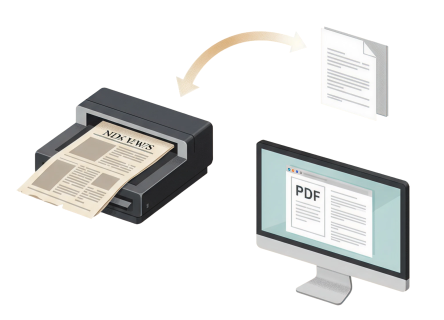
Digi+ helps organizations convert physical documents into structured digital information through digitization capabilities that can support document capture, OCR, indexing and metadata requirements.
For enterprises dealing with large volumes of physical records, a structured digitization approach can make information more accessible while providing a foundation for modern digital processes. The right digitization approach also allows organizations to progressively build on their digital information environment as their business requirements evolve.
Frequently Asked Questions
What should I look for in document digitization services?
Look for capabilities covering document processing, scanning quality, OCR, indexing, quality assurance, security, scalability, project management and output requirements.
Why is OCR important in document digitization?
OCR makes text within scanned documents searchable and can help employees access information more efficiently than relying on image-only files.
How do I evaluate a document digitization provider?
Start by defining your document types, volumes, quality requirements and security needs. Then compare providers against consistent technical, operational and commercial criteria.
Is document digitization only about scanning?
No. Enterprise digitization can involve scanning, OCR, indexing, metadata and quality control. These elements influence how effectively digital records can be accessed and used.
Should enterprises use professional document digitization services?
The decision depends on document volume, complexity, security requirements, available infrastructure and internal expertise. Professional services can be useful for organizations managing large or specialized digitization projects.
Conclusion
Selecting a document digitization services provider requires more than comparing scanning capabilities or project prices. Organizations should evaluate document handling, OCR, indexing, quality assurance, security, scalability and project management to determine whether a provider can meet their specific requirements.
A structured evaluation process helps enterprises select a provider that can support both immediate digitization needs and future information requirements. By asking the right questions and defining clear expectations before implementation, organizations can create reliable digital records that are easier to access, manage and use.