Introduction
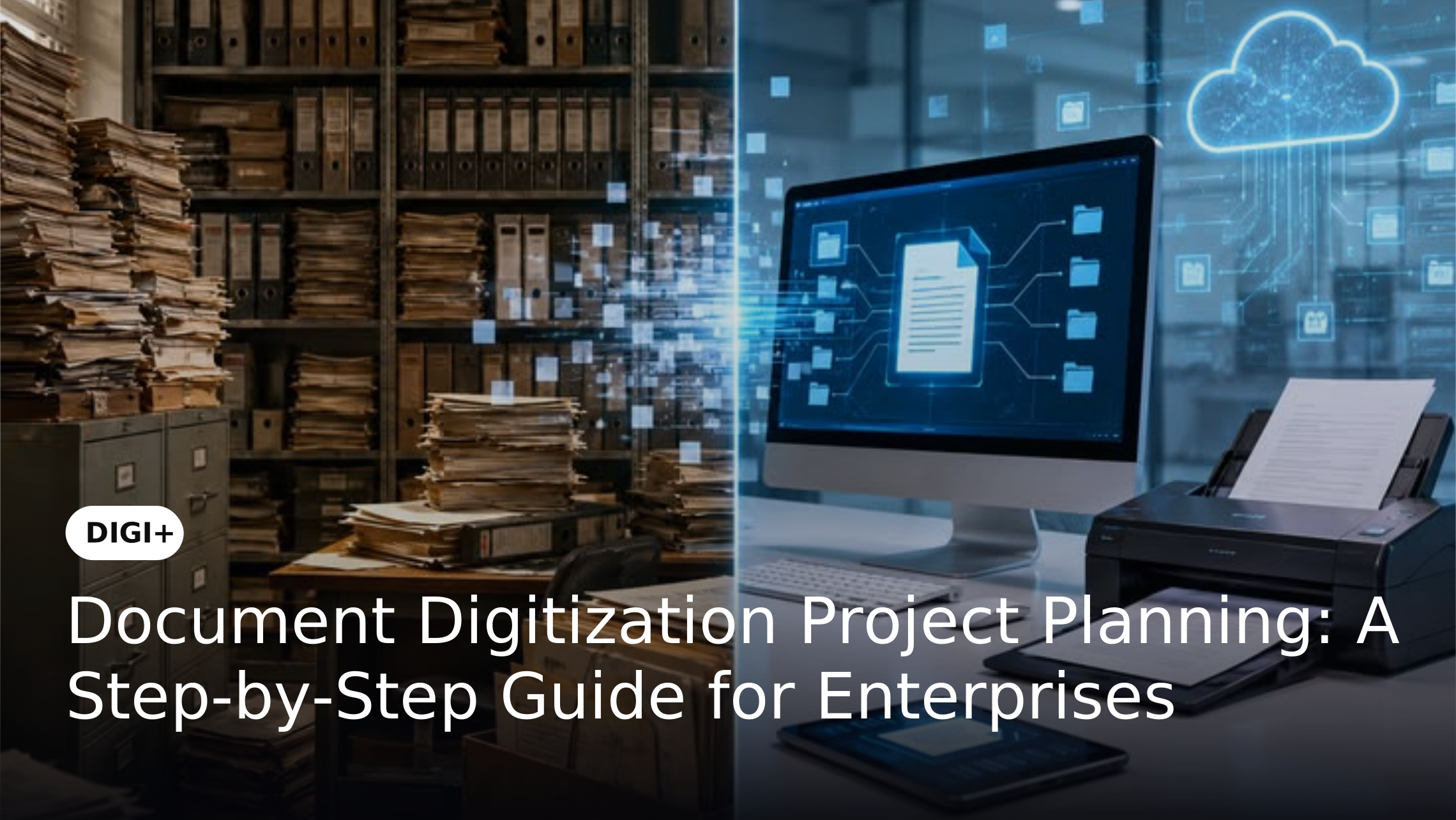
Enterprise document digitization involves more than scanning physical records and storing digital copies. Organizations often manage millions of documents across departments, locations and formats. Without proper planning, digitization projects can result in inconsistent quality, incomplete records, poor searchability and unnecessary costs. A structured approach helps organizations determine what should be digitized, how it should be processed and what outcomes the project should deliver.
A well-planned digitization project begins with understanding the organization's existing information landscape. From document inventory and prioritization to capture methods, indexing, quality control and security, every stage influences the usefulness of the final digital records. Establishing these requirements before implementation helps enterprises create a scalable digitization strategy that supports long-term operational needs.
Why Proper Planning Matters in Document Digitization
Large-scale document digitization projects involve significant volumes of information and multiple stakeholders. Rushing into scanning without understanding the records being processed can create problems that become difficult and expensive to correct later.
Planning helps organizations establish clear objectives, prioritize important records and determine the appropriate technologies and processes for each document type. It also creates measurable standards for quality, security and project performance.
Step 1: Define the Objectives of the Digitization Project
Every project should begin with a clear understanding of what the organization wants to achieve.
Common objectives include:
Defining these objectives provides direction for subsequent decisions and helps establish measurable outcomes for the project.
Step 2: Assess and Inventory Existing Documents
Before digitization begins, organizations should understand what they currently have.
An effective document inventory should consider:
This assessment helps identify which records require immediate attention and which can be handled at a later stage.
Step 3: Prioritize Documents for Digitization
Not every document needs to be digitized at the same time. Organizations should establish priorities based on business value and risk.
High-priority records may include documents that are:
A phased approach allows enterprises to focus resources on the records that can deliver the greatest immediate value.
Step 4: Determine Document Capture Requirements
Different documents require different digitization approaches. Standard office documents may be processed differently from engineering drawings, photographs, bound records or fragile historical materials.
Organizations should determine requirements such as:
Defining these requirements in advance helps maintain consistent output quality across the project.
Step 5: Establish OCR, Indexing and Metadata Requirements
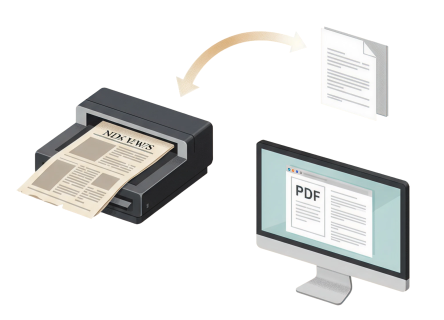
Creating a digital image is only one part of digitization. Employees also need to find and identify information efficiently after it has been converted. OCR can make text within scanned documents searchable while indexing and metadata can provide additional context such as document type, department, date, project or record number.
Organizations should define these requirements before processing begins. Consistent indexing and metadata standards can significantly improve searchability and reduce the risk of creating large collections of difficult-to-manage digital files.
Step 6: Define Document Digitization Quality Standards
Quality control should be built into the project rather than performed only after digitization is complete.
Quality standards can cover:
Regular quality checks help identify errors early and prevent large batches of inaccurate digital records from entering the organization's information environment.
Step 7: Establish Security and Compliance Requirements
Enterprise records can contain confidential financial information, employee data, legal documents, customer information and other sensitive content.
Before digitization begins, organizations should determine appropriate requirements for:
These requirements should be incorporated into the digitization workflow rather than treated as an afterthought.
Step 8: Choose the Right Digitization Approach
Organizations need to determine how and where documents will be processed based on their operational requirements. Depending on document sensitivity, volume and location, enterprises may consider centralized processing, on-site capture or a combination of approaches.
The right approach should balance security, document handling requirements, project scale, turnaround time and operational continuity. For large-scale projects, selecting a capable document digitization services provider can also help organizations manage specialized equipment, processing workflows and quality requirements without building the entire infrastructure internally.
Step 9: Start With a Pilot Project
A pilot provides an opportunity to validate the planned approach before processing the entire document collection.
A pilot should test:
Feedback from the pilot can then be used to refine requirements before full-scale implementation.
Step 10: Establish Success Metrics
A digitization project should have measurable outcomes.
Organizations can track:
Document Retrieval Time
Measure how quickly employees can locate information compared with the previous paper-based process.
Processing Accuracy
Monitor scanning, OCR, indexing and metadata accuracy to identify quality issues.
Productivity Improvements
Evaluate whether employees spend less time searching for or manually handling physical records.
Project Completion
Track the volume of documents processed against the planned scope and timeline.
Cost Reduction
Compare expenses associated with physical storage, retrieval and document handling before and after digitization.
Step 11: Build a Scalable Digitization Roadmap
Enterprise digitization should not necessarily be treated as a one-time project. As organizations identify new document collections and business requirements, their digitization strategy should be capable of expanding.
A practical roadmap can follow a progression such as:
Assessment → Prioritization → Pilot → Validation → Full-Scale Digitization → Continuous Improvement
This approach allows organizations to learn from each phase while gradually expanding digitization across departments and document collections.
Common Mistakes to Avoid
Digitizing Everything at Once
Processing every document without prioritization can increase costs and make project management more difficult. Start with records that deliver the greatest operational or compliance value.
Treating Scanning as the Entire Project
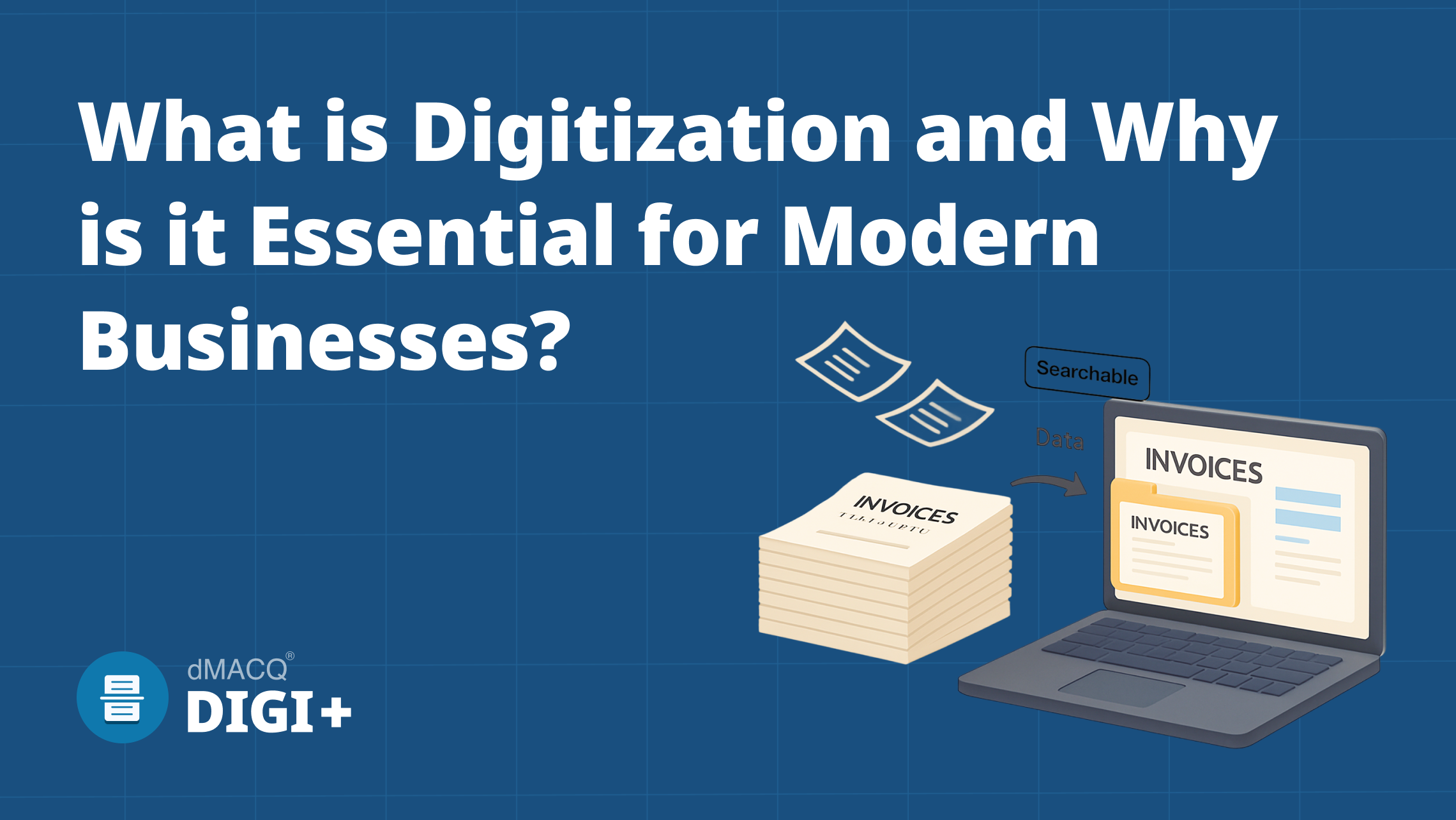
A scanned document is not automatically useful. OCR, indexing, metadata and quality control determine how easily digital information can be found and used.
Ignoring Document Diversity
Different document formats require different capture methods. A single scanning approach may not deliver suitable results for large-format drawings, fragile records or complex documents.
Defining Quality Standards Too Late
Quality expectations should be established before production begins. Waiting until the end of the project can make correcting large volumes of inaccurate records costly.
How Digi+ Supports Enterprise Document Digitization
Digi+ helps organizations transform physical documents into searchable and structured digital information. Its digitization capabilities can support document capture, OCR, indexing and metadata requirements across different document collections.
For enterprises managing large volumes of paper records, this provides a structured way to move from physical archives toward accessible digital information while maintaining the quality and organization required for everyday business use.
Frequently Asked Questions
What is document digitization project planning?
Document digitization project planning involves defining objectives, assessing document collections, determining capture and indexing requirements, establishing quality standards and creating an implementation roadmap before large-scale digitization begins.
How should an organization decide which documents to digitize first?
Organizations should prioritize documents based on business importance, retrieval frequency, regulatory requirements, physical condition and operational dependency. High-value and frequently accessed records are often suitable starting points.
What should be included in a document digitization project?
A project should typically include document assessment, prioritization, capture, OCR, indexing, metadata, quality control, security, validation and ongoing information management requirements.
Is OCR necessary for every digitized document?
Not necessarily. OCR is particularly useful when organizations need to search or extract text from scanned documents. Requirements should be determined based on how the digital records will be accessed and used.
Should enterprises use in-house teams or document digitization services?
The choice depends on document volume, complexity, security requirements, available infrastructure and internal expertise. For large or specialized projects, professional document digitization services can provide the equipment, processes and expertise required for scalable implementation.
Conclusion
Successful document digitization begins long before the first page is scanned. By defining objectives, assessing existing records, prioritizing information, establishing capture and indexing requirements and setting measurable quality standards, enterprises can reduce project risks while creating digital information that delivers lasting business value.
A structured approach also allows organizations to scale digitization as their needs evolve. With the right planning and technology, physical records can become searchable and accessible digital assets that support more efficient operations, stronger information management and a more connected digital workplace.