Introduction
Enterprise IT security policies establish the controls employees and departments must follow to protect business applications, systems and sensitive information. However, certain business situations may prevent an organization from meeting a specific security requirement immediately. Legacy applications, technical limitations, system dependencies or operational requirements can create situations where a department needs to request an exception to an established security policy.
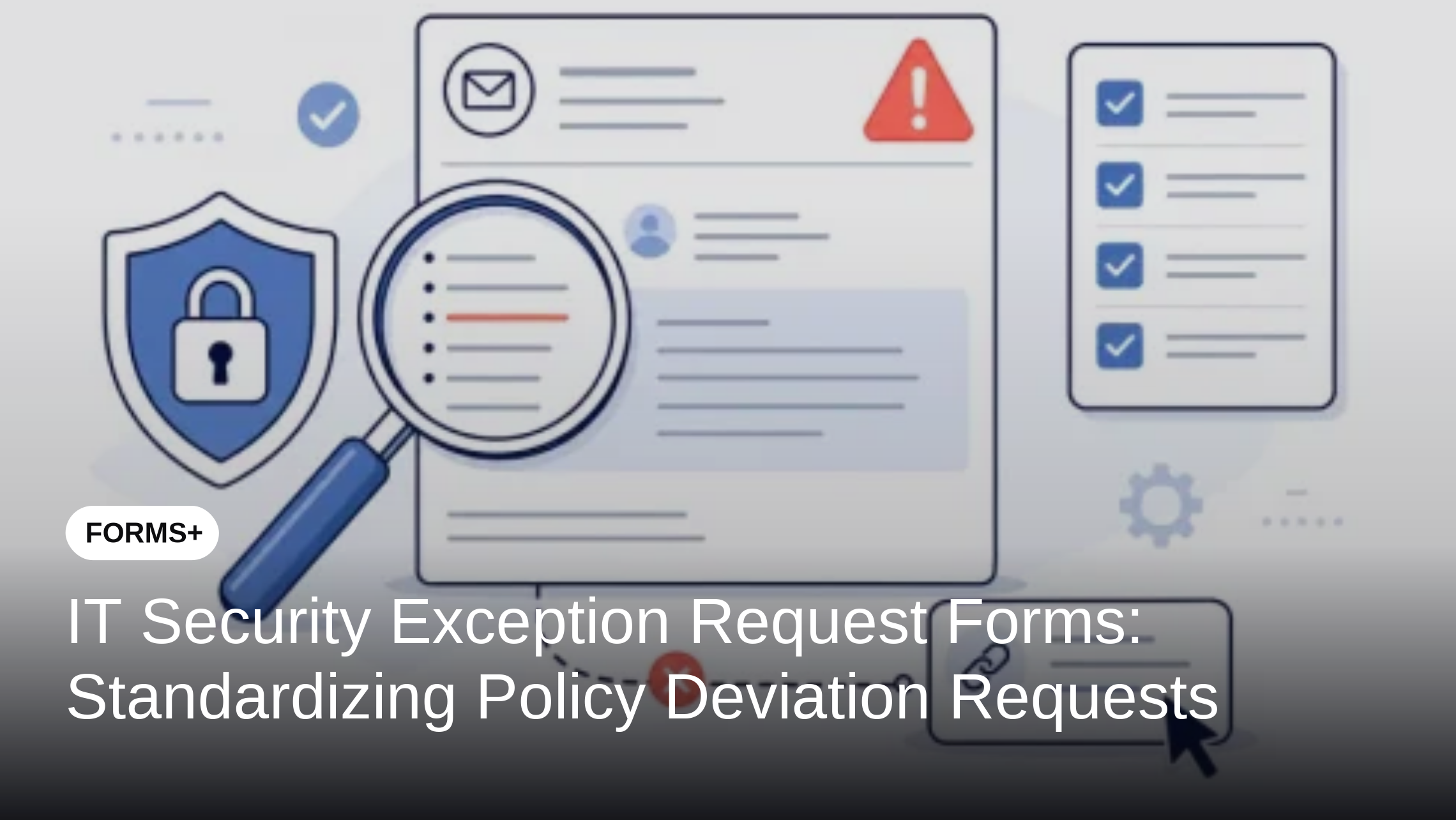
Managing these requests through emails, spreadsheets and informal conversations can make it difficult to collect complete information, document business justifications and maintain consistent review records. IT security exception request forms provide a structured way to capture these requests, collect supporting evidence and submit them for internal evaluation. By standardizing information collection, organizations can make the exception review process more organized and traceable.
Why Enterprises Need a Formal IT Security Exception Request Process
IT security exceptions arise when an application, system, department or business process cannot meet a specific security policy or control under its existing conditions. Instead of allowing informal deviations, organizations need a defined process through which employees can explain the situation and request an authorized exception. Without a standardized process, security teams may need to follow up repeatedly for missing details or clarification.
A formal request process helps organizations establish what information must be provided before an exception can be evaluated. It also creates a consistent record of the affected systems, reasons for non-compliance, proposed safeguards, responsible reviewers and requested exception duration. This supports the broader objective of designing enterprise forms around defined business outcomes, rather than treating forms as simple data collection tools.
Common Situations That Require IT Security Policy Exceptions
Organizations may encounter different circumstances in which an established security control cannot be implemented immediately. These situations do not automatically justify an exception, but they may require a formal request and assessment by the responsible security team.
Legacy applications and technical limitations: An older business application may not support a security feature required by the organization's current policy. For example, an application may not support multi-factor authentication without a significant upgrade or replacement.
Business-critical system dependencies: A department may depend on an application that cannot currently meet a specific security requirement because of its technical architecture or integration dependencies. A formal request can help document the limitation and explain the business impact.
Temporary operational requirements: A business process may require a temporary deviation while a system migration, infrastructure upgrade or security remediation activity is underway. The request should explain why the exception is needed and how long it is expected to remain necessary.
Third-party or external system constraints: An organization may use an externally managed platform that does not support every internal security requirement. The responsible team may need to document the limitation, affected services and proposed safeguards before considering an exception.
What Information Should an IT Security Exception Request Form Capture?
An effective IT security exception request form should collect the information required to understand the deviation, identify the affected environment and support an informed review. The exact fields will depend on the organization's security policies and exception management procedures.
1. Requester and department details: Capture the requester's name, department, business unit and responsible manager. This establishes who is submitting the request and which business function is affected.
2. Affected application or system: Record the application name, system identifier, business owner and relevant environment. Where applicable, the requester should identify the business process that depends on the affected system.
3. Security policy or control reference: Identify the specific policy, standard or security requirement that cannot currently be met. This helps reviewers understand the nature and scope of the requested deviation.
4. Business justification: Ask the requester to explain why the exception is necessary, why the existing requirement cannot be met and what operational or business impact would result if the request were not considered.
5. Proposed compensating controls: Collect details of alternative safeguards that the department proposes to reduce exposure while the exception is being considered. These may include additional monitoring, restricted access or other controls, depending on the organization's security requirements.
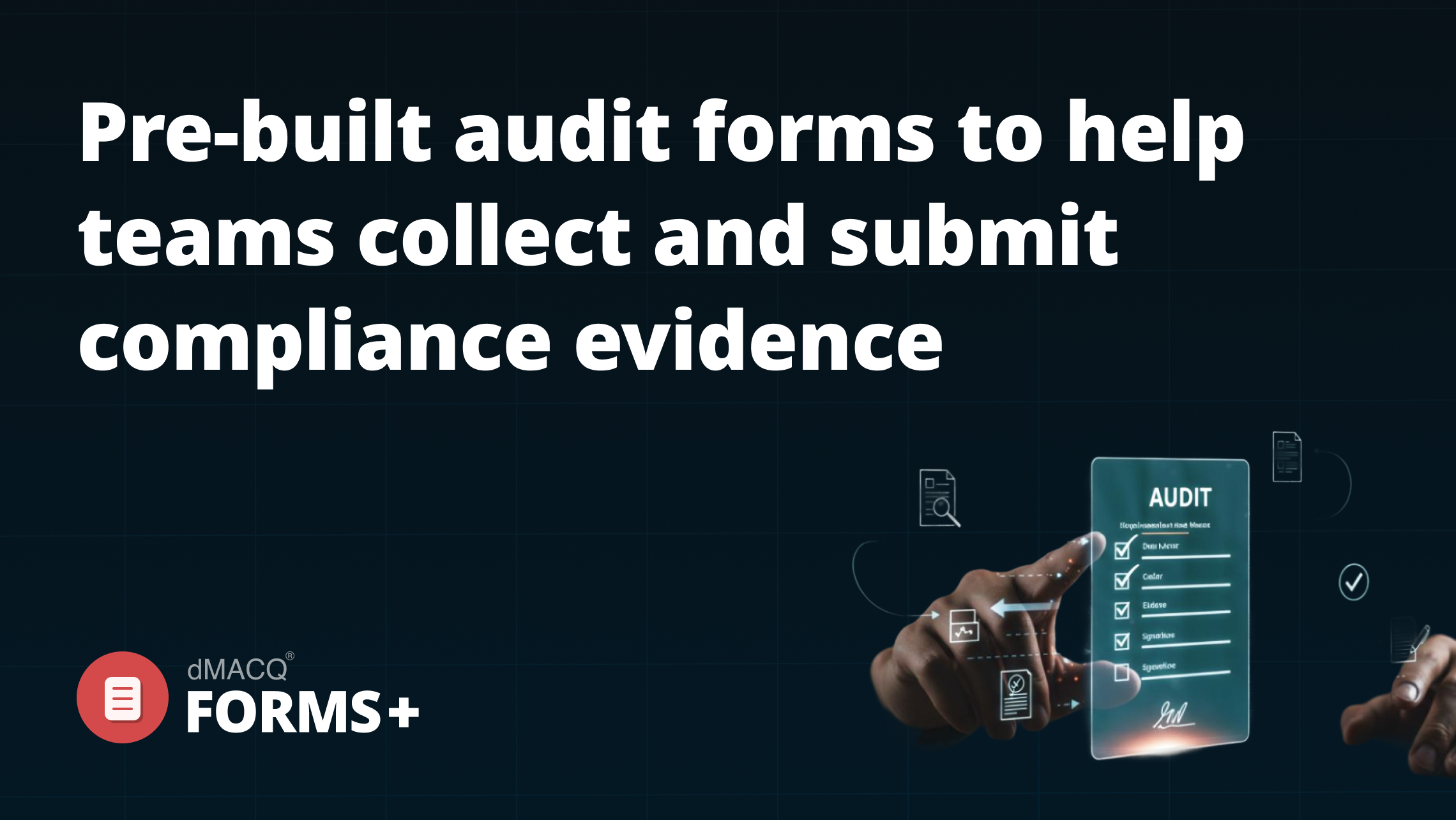
6. Supporting evidence: Allow the requester to attach relevant technical documents, system limitations, assessment records or other evidence that helps explain the situation. Supporting documents should be reviewed by the responsible team rather than treated as independently verified simply because they have been submitted.
7. Requested duration and remediation plan: Capture the requested start and end dates, where applicable, along with the planned steps to address the underlying security gap. This helps reviewers understand whether the request is temporary and what action is expected before it expires.
8. Review and authorization details: Include the information needed to identify the appropriate reviewers and approval authorities. The form can capture the submission and support a configured review process, while actual authorization remains subject to organizational policy.
How Digital Forms Standardize Security Exception Submissions
When exception requests are submitted through emails or unstructured documents, the information provided can vary significantly between departments. Digital forms help organizations establish a consistent submission format by defining the information that requesters must provide. Required fields help reduce incomplete submissions, while field-level validation can check whether information follows the expected format.
Conditional fields can also make the form more relevant to different types of exceptions. For example, a request involving an application security control may require different supporting information from a request involving infrastructure or network security. Configured conditional logic, as discussed in Adaptive Smart Forms: Dynamic Field Logic for Smarter Data Collection, can help display relevant questions based on earlier responses. Digital forms can also collect supporting documents and maintain a consistent record of submitted information, giving security teams a more organized starting point for review.
How FORMS+ Supports Structured IT Security Exception Requests
FORMS+ can support the information collection stage of an IT security exception process by allowing enterprises to create structured digital forms for policy deviation requests. Organizations can configure form sections for requester details, affected systems, policy references, business justifications and proposed safeguards. Mandatory fields and conditional logic can help ensure that requesters provide information relevant to the type of exception being submitted.
FORMS+ also supports field-level validation and required document attachments. These capabilities help organizations improve submission completeness and collect relevant evidence alongside the request. Configured routing and workflow capabilities can support the movement of submissions to designated reviewers, while audit trails help maintain records of form-related activities and comments. These capabilities complement the security controls and validation considerations discussed in Secure Digital Forms with Encryption, Masking and Validation in FORMS+. The role of FORMS+ is to standardize request submission and support information collection; security teams must still evaluate technical implications, assess proposed safeguards and authorize decisions through the organization's established governance process.
Best Practices for Designing IT Security Exception Request Forms
A well-designed exception request form should make it easier for employees to provide relevant information without weakening the organization's security governance requirements. Organizations should define the scope of the form, use clear questions and make essential fields mandatory. Questions should identify the affected security requirement, explain the technical limitation and describe the business impact instead of relying on broad descriptions that may produce incomplete responses.
Conditional questions can help collect different information for different exception categories, while supporting document attachments can provide additional context for reviewers. Organizations should also establish clear review responsibilities, capture exception duration and remediation expectations and maintain traceable records of submissions and decisions. These practices align with the broader principles of enterprise form governance and structured form management, helping organizations maintain consistency as internal requirements evolve.
Conclusion
IT security exception requests require more than a brief explanation of why a department cannot meet a particular security requirement. Organizations need consistent information about affected systems, policy deviations, business justifications, proposed safeguards and expected remediation activities. Standardized digital forms help collect these details in a structured format and provide security teams with a more organized basis for reviewing requests.
FORMS+ supports this process by enabling enterprises to create configurable forms, apply validation rules, collect supporting evidence and facilitate configured submission and review workflows. By using structured digital forms for exception requests, organizations can improve information consistency and traceability while keeping security assessment and authorization with the appropriate internal teams.