Introduction
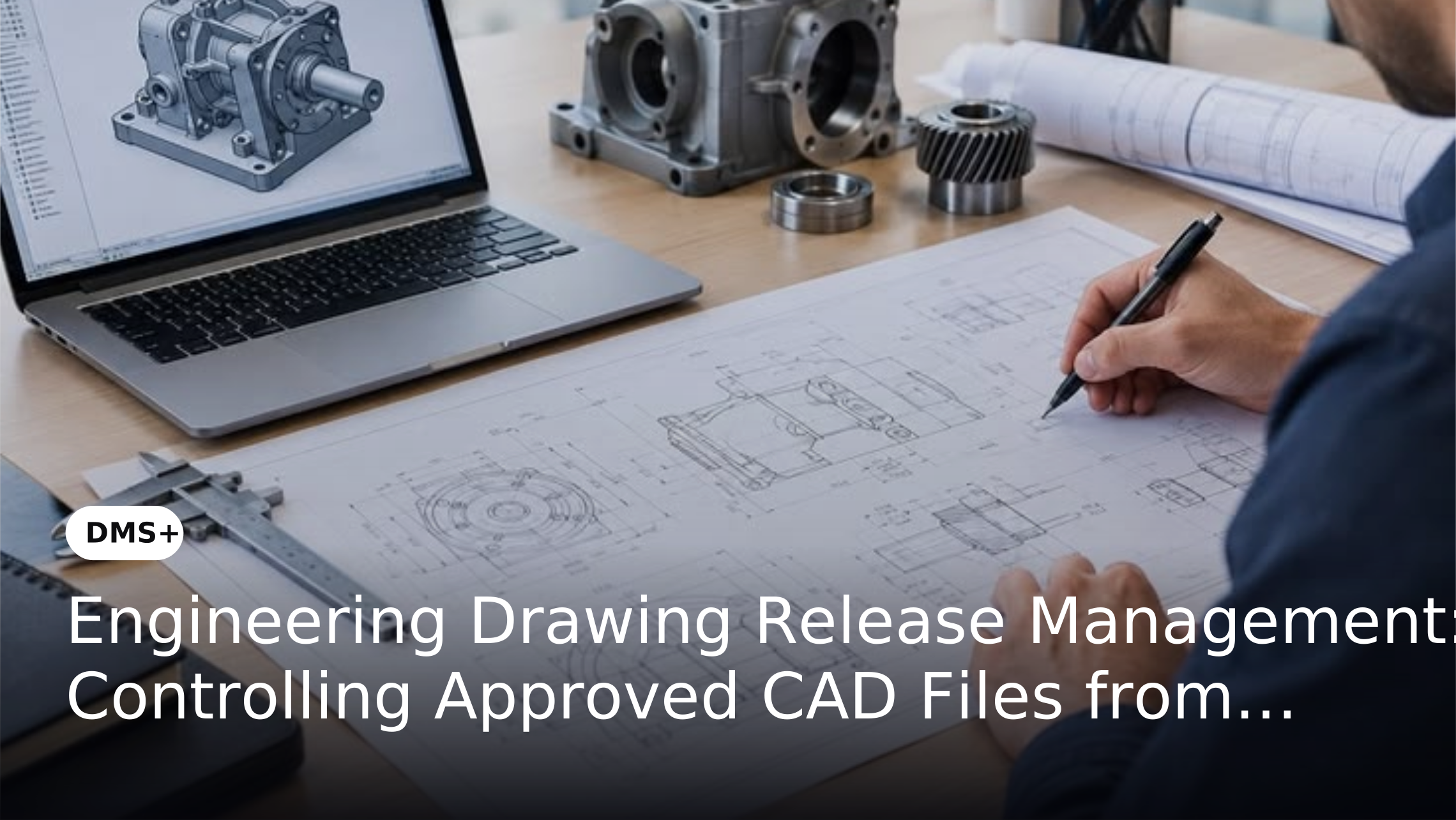
Engineering drawings often go through multiple revisions before they are ready for manufacturing. However, completing a design revision does not automatically make the drawing suitable for production. It must be reviewed, authorized, assigned the correct release status and made available to the teams responsible for using it.
Without a defined release process, production teams may receive preliminary drawings, suppliers may continue working from superseded files and different departments may interpret technical requirements differently. Engineering drawing release management establishes the controls needed to move a drawing from engineering review to authorized production use.
What Is Engineering Drawing Release Management?
Engineering drawing release management is the process of reviewing, authorizing, identifying and distributing technical drawings for an approved business purpose. It establishes which drawing revision is permitted for production, where it applies and who is authorized to access it.
A drawing revision and a drawing release are not the same. A revision records a change to the technical document, while a release confirms that the relevant revision has completed the required authorization process and is approved for a defined use.
1. Distinguish Drawing Revisions from Released Drawings
A drawing can be updated several times without being ready for production. For example, Revision B may contain engineering corrections but still be awaiting quality review. Treating every new revision as production-ready can expose manufacturing teams to unapproved design changes.
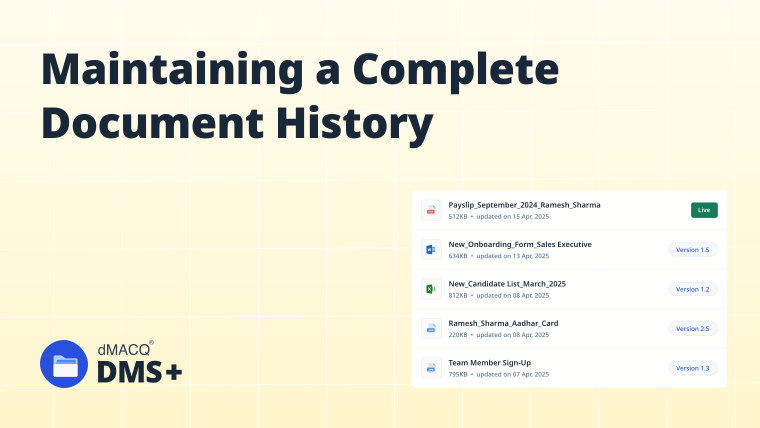
Organizations should establish clear document statuses such as Draft, Under Review, Approved, Released and Superseded. This distinction is particularly important in environments where multiple teams handle technical files. A structured approach to document version history helps preserve the distinction between earlier revisions and the version authorized for use.
2. Establish a Consistent Drawing Identification Structure
A drawing release process needs reliable identification. Each technical document should be associated with a unique drawing number and revision identifier. Additional information can establish its business context and intended use.
Useful metadata may include:
This structure makes it easier to distinguish similar drawings and retrieve the correct file without relying on folder names or individual knowledge. A metadata-driven approach also supports broader document governance practices.
3. Define Who Can Authorize a Drawing Release
A drawing should not become available for production simply because an engineer has uploaded a revised file. The organization needs a defined authorization structure that identifies who reviews and approves the document before release.
Depending on the product and internal quality procedures, the review may involve design engineering, manufacturing engineering and quality assurance. Responsibilities should be documented so reviewers understand what they are approving and release authority remains with designated personnel.
4. Connect the Released Drawing to Its Intended Application
An approved drawing may not apply to every product, plant or production batch. A revised component drawing, for example, may be approved for a new product configuration but not for an existing production order.
Release records should therefore identify the drawing's applicability. Relevant references may include product variants, assembly numbers, project codes, manufacturing locations or effective production dates. This helps teams determine whether a released drawing is valid for the specific work they are performing.
5. Control How Released Drawings Reach Production
Once a drawing is released, the next challenge is making it available to the right users. Production teams should be able to retrieve the authorized file using its drawing number, product reference or other relevant metadata.
A centralized document repository can support this process by maintaining approved files in an organized location. Role-based permissions can distinguish users who may view, update, approve or administer documents. These controls are especially relevant to manufacturers managing documentation across multiple departments and facilities, as discussed in how manufacturing companies eliminate production delays.
6. Withdraw Superseded Drawings from Active Use
Releasing a new revision is only part of the process. Organizations must also address the previous revision so it is not accidentally selected for new production work.
When a drawing is superseded, its status should be updated and its availability for routine production use restricted according to company policy. Organizations should also consider copies stored on local drives, shared folders, email attachments and printed shop-floor documents. Older revisions can remain available for historical reference, but they should be clearly distinguished from currently released files.
7. Maintain Evidence of the Release Decision
A controlled release should leave a record of what was authorized and when. This evidence helps organizations investigate production discrepancies, respond to quality reviews and establish which technical instructions applied at a particular point in time.
A release record should ideally identify the drawing number, revision, approval status, authorized reviewers, release date and applicable production context. Document history and audit records can support this requirement. These records also contribute to wider manufacturing quality and compliance controls.
Practical Example: Releasing a Revised Component Drawing
Consider a manufacturer updating the mounting dimensions of a component used in an equipment assembly. Engineering prepares Revision C after identifying a dimensional issue in Revision B. The updated drawing is submitted for review by manufacturing engineering and quality assurance.
After the required reviews are completed, Revision C receives production release authorization. Its record identifies the applicable assembly and production location. The released file is made available to authorized production users, while Revision B is marked as superseded for new production use. Its historical record remains available for reference. If a quality investigation later identifies a discrepancy, the organization can examine the release record to establish which revision was approved and which drawing was intended for the relevant production work.
How a Document Management System Supports Drawing Release Management
A document management system can provide the information-management foundation for a controlled drawing release process. It can centralize technical files, organize them using drawing-related metadata, maintain document histories and restrict access according to user permissions.
Approval workflows can support the movement of documents through defined review stages, while document records help teams distinguish released files from drafts and superseded revisions. DMS+ can support these document-control requirements through centralized document management, approval workflows, searchable records and traceability. Its role is to complement engineering design and PLM systems rather than replace their specialized design-management functions.
Conclusion
Engineering drawing release management is not simply about storing the latest CAD file. It is about establishing which revision has been authorized, what it applies to, who can access it and how superseded copies are prevented from entering active production use.
A structured release process gives engineering, quality and manufacturing teams a consistent reference for technical documentation. Supported by centralized document management and clearly defined authorization rules, it helps reduce ambiguity during the transition from engineering approval to production execution.
Frequently Asked Questions
What is the difference between drawing revision and drawing release?
A revision identifies a change made to an engineering drawing. A release confirms that a particular revision has completed the required review and authorization process for an intended use.
Why should superseded engineering drawings be retained?
Older revisions may be needed for historical reference, quality investigations, audits or understanding previous production decisions. They should be retained with clear status identification so they are not mistaken for currently released drawings.
Who should approve engineering drawings before production?
Approval responsibilities depend on the organization's engineering and quality procedures. Design engineering, manufacturing engineering and quality assurance may participate, with final release authority assigned to designated personnel.
Can a document management system manage engineering drawing releases?
A document management system can support the document-control elements of the process, including centralized storage, metadata, approval workflows, access permissions and document history. It does not replace CAD authoring or specialized PLM functions.