Introduction
Not every supplier transaction begins with a purchase order. Businesses regularly receive invoices for professional services, utilities, subscriptions, rent, consulting, recurring expenses and other purchases that may not follow a standard PO-based procurement process. When these invoices enter accounts payable, teams must determine whether the expense is legitimate, properly authorized and supported by sufficient documentation before payment.
Handling non-PO invoices becomes challenging when employees rely on email follow-ups, manual data entry and inconsistent approval procedures. The objective is not to reject every invoice without a purchase order or process it without scrutiny. Instead, organizations need a structured approach to non-PO invoice processing that establishes clear approval responsibilities, validates supporting evidence and allows legitimate invoices to move forward without unnecessary delays.
What Is Non-PO Invoice Processing?
Non-PO invoice processing refers to handling supplier invoices that do not have an associated purchase order against which the transaction can be matched. Unlike PO-backed invoices, these transactions generally require an alternative method of verifying the business purpose, authorization, amount and supporting documentation.
Non-PO invoices may arise from recurring operating expenses, professional services, utilities, rent or other purchases permitted under an organization's procurement policy. Their absence of a purchase order does not automatically make them invalid, but it changes the checks required before they can be approved for payment.
Why Non-PO Invoices Slow Down Accounts Payable
Missing Purchase Orders and Supporting Documents
When an invoice arrives without a purchase order, AP teams cannot rely on the usual PO-based matching process. They may need to contact the requesting department, locate a contract, retrieve a service confirmation or establish who authorized the expense. If these records are unavailable or incomplete, processing stops until the necessary evidence is obtained.
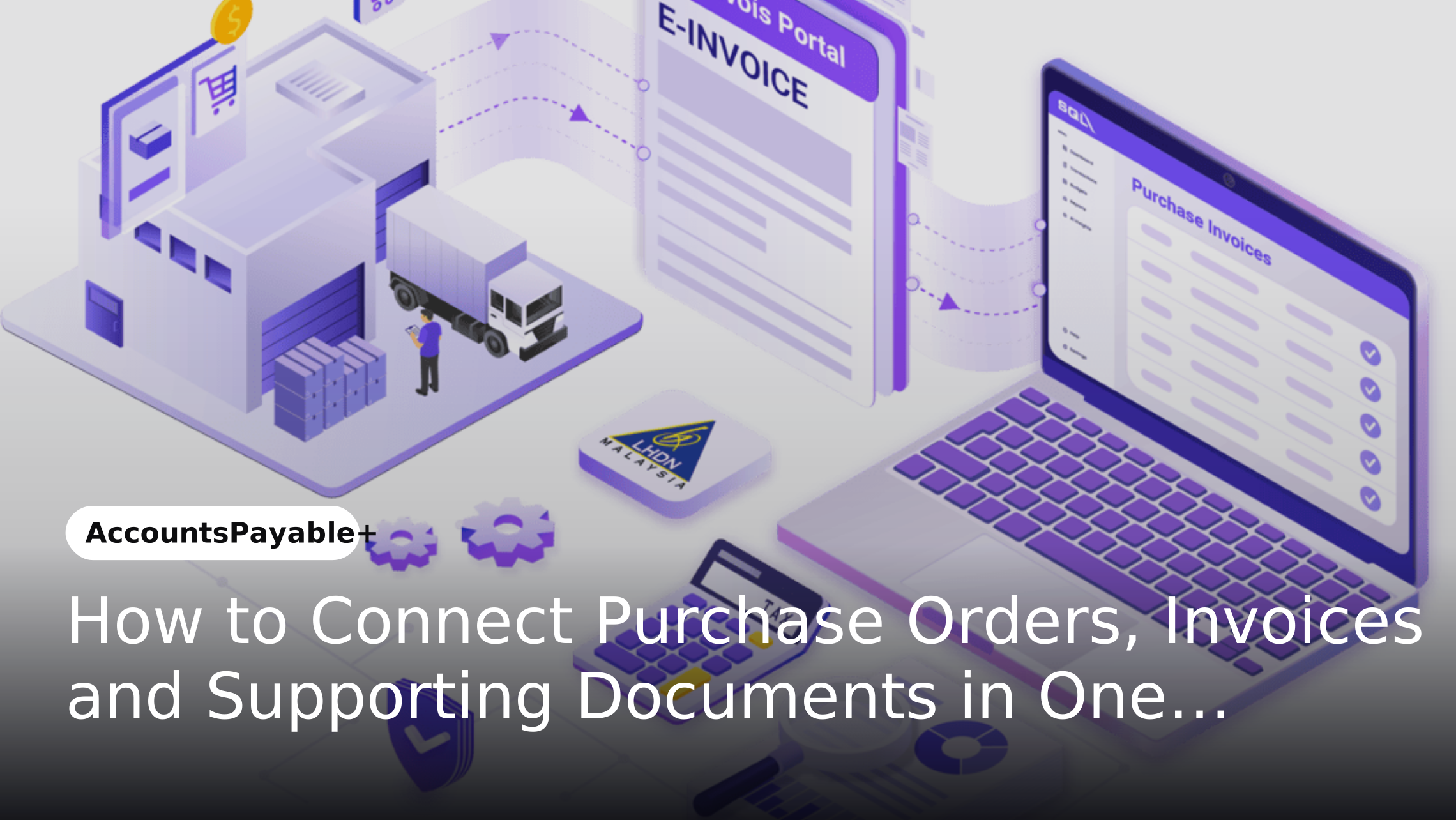
This becomes more difficult when documentation is distributed across email inboxes, shared folders and business systems. A structured approach to connecting invoices with their supporting records can help. See How to Connect Purchase Orders, Invoices and Supporting Documents in One Workflow (for related guidance on transaction documentation and workflow connectivity.)
Unclear Approval Responsibilities
Non-PO invoices often require approval from the department responsible for the expense rather than relying on an existing purchase-order approval trail. When approval rules are unclear, AP employees may have to identify the correct budget owner, forward the invoice manually and repeatedly follow up for a decision.
These delays can be reduced by defining approval responsibilities before invoices arrive. For more on this issue, see The Real Business Impact of Approval Delays and How to Eliminate Them, (which explores how structured workflows can address approval bottlenecks.)
How to Handle Non-PO Invoices Efficiently
1. Establish a Clear Non-PO Invoice Policy
Define which expense categories may be processed without purchase orders, who can authorize them and what evidence is required. For example, recurring utilities or approved professional services may follow different documentation requirements from one-time consulting engagements or high-value purchases.
The policy should also specify transactions that require additional review, such as expenses outside approved budgets, unfamiliar suppliers or invoices without sufficient supporting evidence. Clear rules help AP distinguish legitimate non-PO transactions from purchases that bypass required procurement controls.
2. Capture Invoice Information at Intake
Establish a consistent intake process for non-PO invoices received through approved channels. Capture essential information such as supplier identity, invoice number, invoice date, amount, tax details, payment terms, expense category and the responsible business department.
Automated invoice capture can reduce manual data entry and help identify missing fields early. However, extracting information from an invoice is only the first step; the extracted details must still be validated before the transaction can proceed. For a broader look at reducing manual invoice handling, see The Business Case for Automated Invoice Processing.
3. Validate the Business Purpose and Supporting Evidence
Because a non-PO invoice cannot be verified against a corresponding purchase order in the usual way, AP needs an alternative basis for checking the transaction. Depending on the expense, this may include an approved contract, statement of work, service completion confirmation, subscription agreement, utility statement or authorization from the relevant budget owner.
Validation should establish that the supplier is recognized, the expense relates to a legitimate business requirement, the amount is supported and the required documentation is available. If evidence is missing or inconsistent, the invoice should be placed on hold and routed to the responsible stakeholder rather than approved automatically.
4. Route Invoices Through Rule-Based Approval Workflows
Define approval rules according to factors such as invoice value, expense category, department, legal entity and budget ownership. These rules should identify the appropriate approver and determine when additional review is necessary.
Workflow automation can reduce manual forwarding, improve visibility into pending decisions and support escalation when approvals are delayed. For non-PO invoices, approval should confirm the business purpose and authorization of the expense rather than simply substitute for a missing purchase order.
5. Apply Risk-Based Validation
Not every non-PO invoice presents the same level of risk. A recurring utility bill from an established supplier may require a different review path from a high-value invoice for an unfamiliar service provider. Organizations should define risk-based checks that reflect transaction value, supplier status, expense type and internal policy.
Routine invoices can follow a streamlined process when they meet predefined conditions. Transactions with unusual amounts, incomplete documentation, duplicate invoice details or unverified supplier information should be routed for additional review. This approach reduces unnecessary intervention without weakening financial controls.
6. Check for Duplicate Invoices and Payment Errors
Non-PO invoices still require checks for duplicate submissions, incorrect amounts, inconsistent supplier details and potentially unauthorized payment requests. Duplicate invoices may arrive through different channels or appear in slightly different formats, making consistent validation important.
Use invoice identifiers, supplier information, invoice dates, amounts and other relevant fields to identify potential duplicates. Suspected duplicates should be reviewed before payment rather than automatically rejected solely because a matching field is found.
7. Track Invoice Status and Exceptions
AP teams need clear visibility into whether a non-PO invoice has been received, validated, submitted for approval, returned for clarification or cleared for payment. Without status tracking, employees may spend time answering supplier queries and contacting approvers to determine what is holding up a transaction.
A centralized workflow can make outstanding actions, responsible stakeholders and exception reasons easier to identify. This also helps AP managers distinguish delays caused by missing documentation from those caused by approval bottlenecks or validation issues.
How to Improve Non-PO Invoice Controls Without Adding Delays
Separate Processing From Approval
AP teams should distinguish between checking invoice information and authorizing the expense. AP can validate invoice fields, supplier records, duplicate indicators and supporting documentation, while the appropriate business owner confirms the expense's purpose and authorization.
This division of responsibility creates a clearer workflow and prevents every invoice from being treated as a manual investigation. It also helps maintain segregation of duties, subject to the organization's approval policy and control requirements.
Standardize Expense Categories and Approval Rules
Consistent expense categories help determine which documents are required and who must approve each transaction. For example, recurring operating expenses may have predefined validation requirements, while consulting services may require a contract, service confirmation or project-owner approval.
Standardization reduces ambiguity for AP employees and business stakeholders. It also creates a stronger foundation for automating routine routing while ensuring that unusual transactions receive the appropriate level of review.
How AccountsPayable+ Supports Non-PO Invoice Processing
AccountsPayable+ can support non-PO invoice workflows through invoice capture, data extraction, validation and structured approval processes. These capabilities can help reduce manual data entry and route invoices to the relevant stakeholders for review, subject to the organization's configured rules and controls.
For non-PO transactions, the key is to configure an appropriate workflow that does not assume a purchase order is always available. The process should instead use the required supporting documents, expense information and approval rules to determine whether an invoice is ready to proceed.
Automating Routine Tasks While Retaining Human Review
Automation can help capture invoice details, apply configured validation rules and route transactions through defined workflows. AP employees can then focus on exceptions that require investigation, such as missing documentation, unusual amounts, possible duplicates or unclear authorization.
This approach can reduce repetitive administrative work without removing necessary financial oversight. Organizations should validate the workflow against their own non-PO policies and system configuration before relying on automated processing decisions.
How to Measure Non-PO Invoice Processing Performance
Track measures that reveal whether the process is becoming faster without compromising control. Useful indicators include average non-PO invoice processing time, time awaiting approval, percentage of invoices with missing documentation, exception resolution time, duplicate invoices identified and the proportion of invoices requiring manual intervention.
Review these measures by expense category, department or supplier where appropriate. This helps identify recurring causes of delay and determine whether changes to documentation requirements, approval routing or automation are improving the process. For a wider AP measurement framework, see Accounts Payable KPIs Every CFO Should Track to Measure Automation Success.
Common Mistakes to Avoid in Non-PO Invoice Handling
A common mistake is treating every invoice without a purchase order as invalid. Some expenses legitimately fall outside the organization's PO-based purchasing process. A blanket rejection policy can create unnecessary rework and delay legitimate supplier payments. The correct approach is to define permitted non-PO categories and apply the relevant authorization and documentation controls.
Another mistake is allowing non-PO invoices to bypass procurement and financial controls entirely. Missing purchase orders should trigger an alternative verification process, not automatic approval. Organizations should also avoid routing every invoice through the same manual approval chain when predefined rules can identify the appropriate approver and level of review.
FAQs
What is a non-PO invoice?
A non-PO invoice is a supplier invoice that does not have an associated purchase order for standard PO-based matching. It may relate to expenses such as utilities, rent, subscriptions or professional services, depending on the organization's purchasing policy.
How should AP teams process invoices without purchase orders?
AP teams should capture invoice details, confirm supplier information, verify the business purpose, collect supporting documentation, obtain approval from the responsible budget owner and complete the required financial checks before payment.
Can non-PO invoices be automated?
Yes. Invoice capture, data extraction, validation, approval routing and status tracking can be automated when the relevant rules and controls are configured. Transactions that fail validation or require judgment should still be reviewed by an authorized employee.
How can businesses prevent unauthorized non-PO invoices?
Establish a non-PO policy, define permitted expense categories, verify supporting evidence, assign approval authority and apply risk-based checks. Potential duplicates, unusual amounts and incomplete documentation should be reviewed before payment.
What is the difference between PO and non-PO invoice processing?
PO invoice processing can use purchase-order information to verify the transaction and may include matching against receipt records. Non-PO invoice processing requires an alternative basis for validating the business purpose, authorization, amount and supporting evidence.
Conclusion
Handling non-PO invoices efficiently requires a defined process for validating transactions that cannot follow the usual purchase-order matching route. Clear policies, standardized invoice intake, supporting-document checks, appropriate approvals and duplicate detection help AP teams process legitimate invoices without unnecessary delays.
Automation can further reduce manual data entry, improve workflow visibility and route invoices according to configured business rules. AccountsPayable+ can support these AP activities, provided the workflow is aligned with the organization's non-PO policies and financial controls. The objective is to make non-PO invoice processing more predictable while ensuring that every payment remains properly supported and authorized.