Introduction
In today’s regulatory environment, protecting sensitive personal information is a priority for organizations that collect and process customer data. Aadhaar information requires particular care because unnecessary exposure of Aadhaar numbers can increase privacy and security risks.
Aadhar Masking helps organizations reduce this exposure by concealing part of an Aadhaar number when the complete number is not required for routine document handling or verification. This article explains what Aadhaar Masking is, how it supports data protection practices and where it can be useful across industries such as banking, healthcare, telecom and digital services.
What is Aadhar Masking?
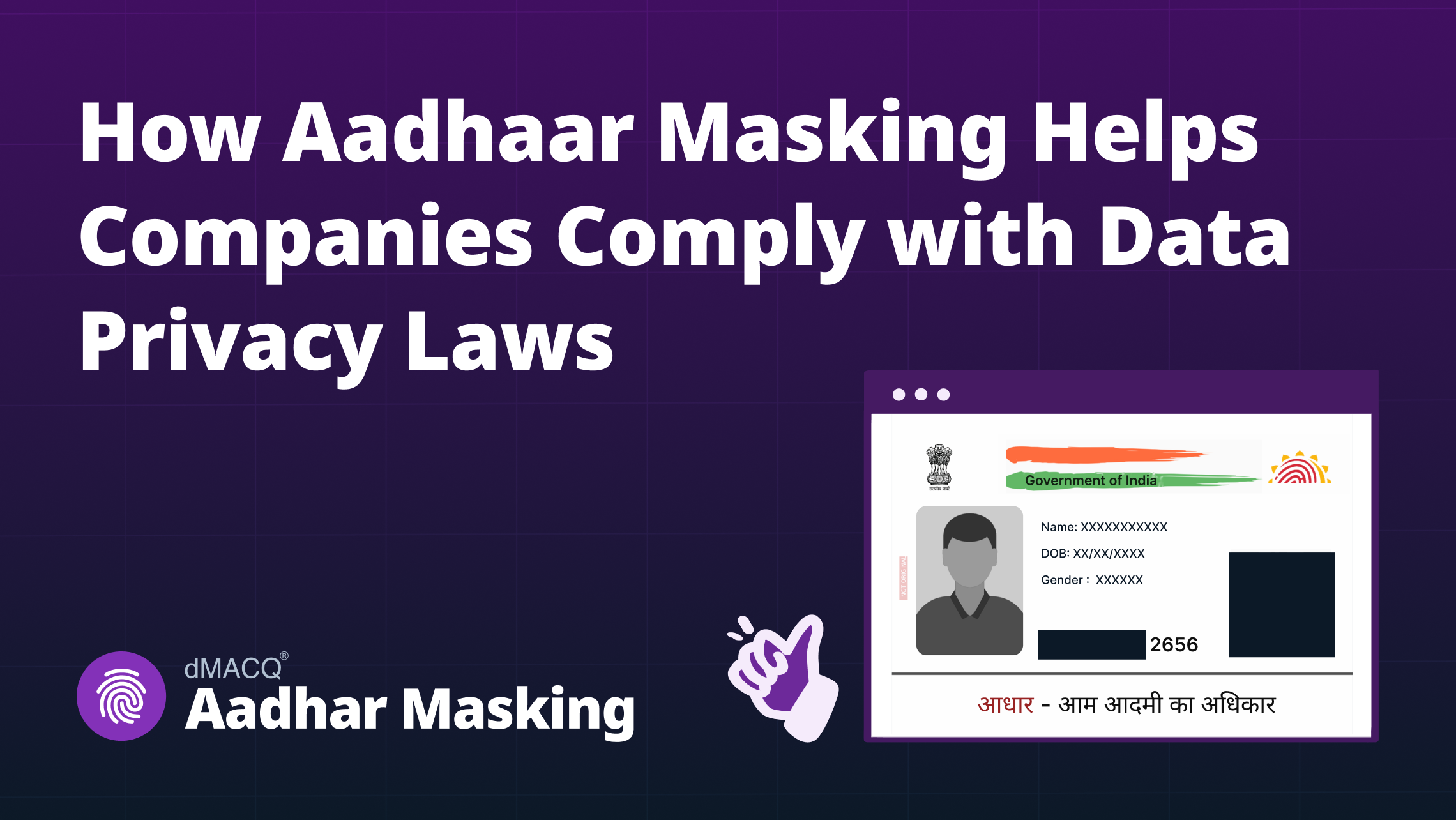
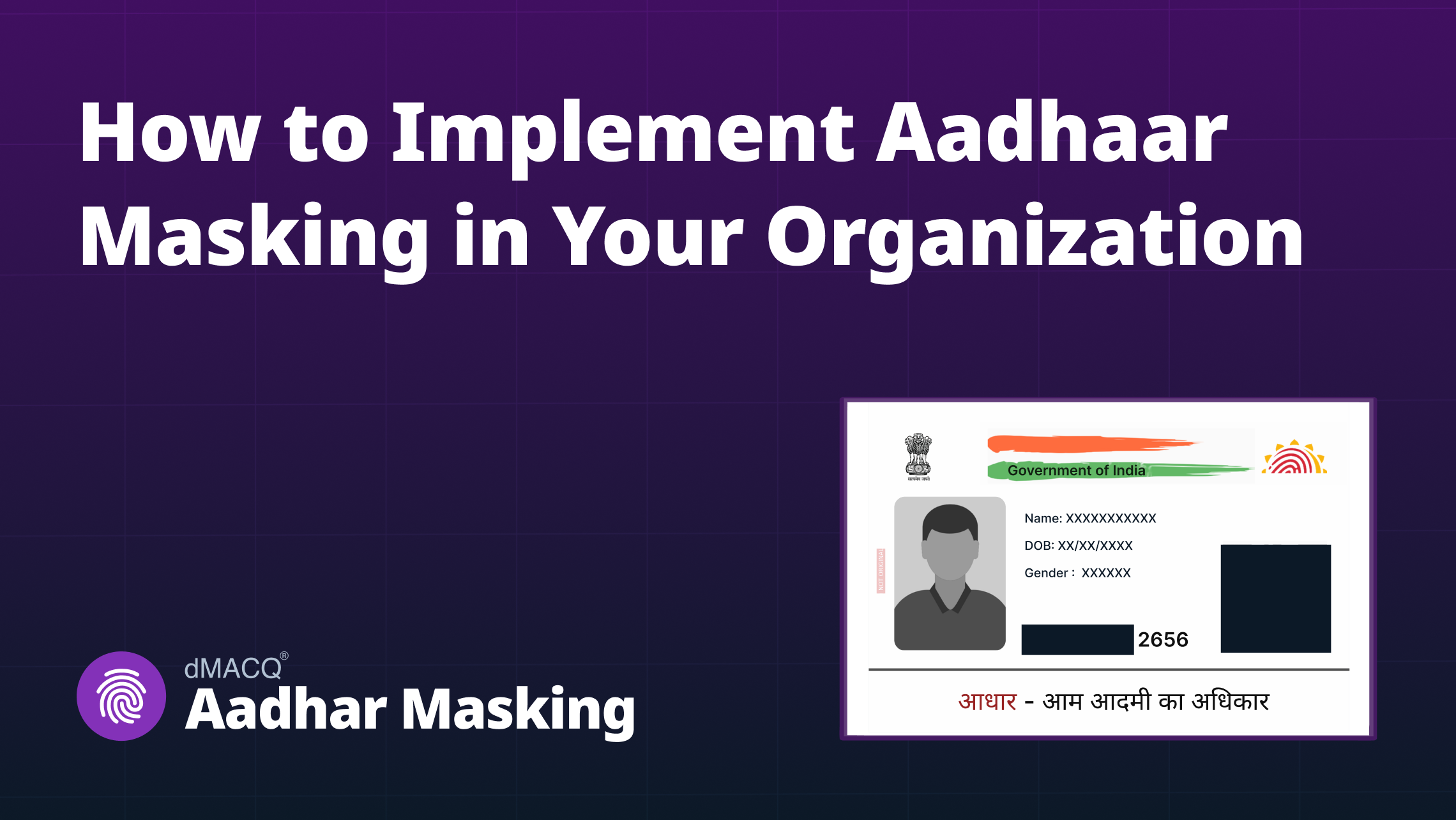
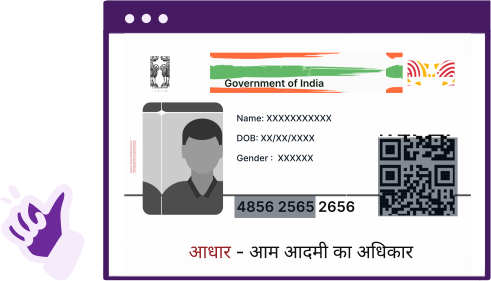
Aadhar Masking is the process of obscuring part of an Aadhaar number so that the complete number is not visible during routine use, storage or document sharing. A masked Aadhaar typically displays only the last four digits, while the first eight digits are concealed.
For example:
Full Aadhaar: XXXX XXXX 1234
Masked Aadhaar: XXXX XXXX 1234
The purpose of masking is to reduce unnecessary exposure of Aadhaar information when an organization does not need to display the complete number. It can be particularly useful when handling KYC documents, identity records, application forms and other documents containing Aadhaar information.
Key Data Privacy Laws in India
Organizations handling Aadhaar information need to consider multiple legal and regulatory requirements depending on their industry, use case and role in processing the data.
1. Digital Personal Data Protection (DPDP) Act, 2023:
The Digital Personal Data Protection (DPDP) Act, 2023 establishes a framework for processing digital personal data in India. It requires organizations to apply appropriate safeguards to protect personal data and establishes obligations for entities processing such information.
The Act provides for significant financial penalties for certain breaches, with penalties for specified violations reaching up to ₹500 crore.Aadhaar information should therefore be handled using appropriate security and privacy controls based on the organization's specific use case and applicable requirements.
2. RBI Guidelines for Banks and Financial Institutions:
Organizations regulated by the Reserve Bank of India (RBI) may be subject to additional requirements concerning customer information, KYC processes, data security and record management.
Rather than treating Aadhaar protection as a single technical requirement, organizations should implement appropriate controls for collecting, accessing, storing and sharing Aadhaar information based on applicable RBI, UIDAI and sector-specific requirements.
3. Aadhaar Act, 2016:
The Aadhaar Act, 2016 establishes the legal framework governing Aadhaar enrolment, authentication and related activities. Organizations involved in Aadhaar-related processes need to follow the requirements applicable to their role and use of Aadhaar information.
Appropriate access controls, secure handling and limited exposure of Aadhaar information can help organizations strengthen their overall data protection practices.
How Aadhaar Masking Ensures Compliance
Aadhar Masking does not by itself make an organization compliant with every applicable regulation. Instead, it acts as one of several controls that can help reduce unnecessary exposure of Aadhaar information.
Reduces Unnecessary Data Exposure
When employees only need to identify a customer or verify a record, displaying the complete Aadhaar number may not be necessary. Masking limits the amount of sensitive information visible during routine document handling.
Reduces Exposure During Document Sharing
Business documents may be shared between departments, vendors or authorized stakeholders. Masking Aadhaar information can reduce the amount of sensitive data exposed when the complete number is not required.
Supports Secure Document Management
Aadhar Masking can be combined with access controls, encryption, audit trails and retention policies to create stronger safeguards for documents containing sensitive personal information.
Improves Data Handling Practices
Consistently masking Aadhaar numbers across relevant documents can help organizations establish standardized practices for handling sensitive identity information.
Supports Compliance Documentation
When combined with appropriate governance controls, masking can help organizations demonstrate that measures have been implemented to minimize unnecessary exposure of sensitive personal data.
Industries That Benefit from Aadhar Masking
Organizations across industries may handle Aadhaar information as part of identification, verification or customer onboarding processes. Where Aadhaar information is collected, appropriate controls can help reduce unnecessary exposure.
1. Banking and Financial Services
Banks, NBFCs and other financial institutions may handle Aadhaar information as part of applicable KYC and customer verification processes.
Aadhar Masking can help by:
2. Healthcare
Healthcare organizations that collect Aadhaar information for identification or verification need appropriate safeguards for protecting that information.
Masking can help reduce Aadhaar exposure in patient records, forms and supporting documentation where the complete number is not required.
3. E-Commerce and Digital Services
Digital businesses that collect Aadhaar information for applicable KYC or verification processes can use masking to limit unnecessary exposure across documents and records.
This can be particularly useful when documents are accessed by multiple teams or processed through digital workflows.
4. Telecom
Telecom organizations may handle Aadhaar information during applicable customer onboarding or verification processes.
Masking can help reduce the exposure of Aadhaar numbers across customer documentation while supporting broader data security and access-control practices.
Aadhar Masking as Part of a Secure Document Management Strategy
Aadhar Masking is most effective when implemented as part of a broader document security strategy rather than as an isolated control. A Document Management System can combine masking with other capabilities to protect sensitive documents throughout their lifecycle.
Key controls include:
Solutions such as DMS+ can help organizations bring these document management and security controls together within a centralized environment.
How DMS+ Can Support Aadhaar Document Management
For organizations managing large volumes of documents containing Aadhaar information, DMS+ can support a structured approach to document security and governance.
Key capabilities include:
These capabilities can help organizations reduce manual handling, improve document visibility and strengthen governance around sensitive records.
Conclusion
Aadhar Masking can be an important data protection control for organizations that handle Aadhaar information. By reducing unnecessary exposure of Aadhaar numbers, businesses can strengthen their approach to document security while supporting applicable privacy and regulatory requirements.
However, masking should not be treated as a standalone compliance solution. Combining Aadhar Masking with access controls, audit trails, secure storage, retention policies and document governance provides a more comprehensive approach to protecting sensitive information. With DMS+, organizations can centralize sensitive documents and apply structured controls across their document lifecycle, helping teams manage information securely while improving operational efficiency.