Introduction
IT infrastructure changes are necessary as organizations upgrade applications, modify network configurations, introduce new systems and address security requirements. However, even a relatively straightforward change can involve several stakeholders. IT teams may need technical reviews, security assessments, business approvals and implementation sign-offs before proceeding. When these activities are coordinated through separate emails and manual follow-ups, requests can remain pending without clear ownership or visibility.
IT Service Management (ITSM) platforms provide a structured way to record and manage change requests. However, some organizations need additional coordination across departments or approval groups beyond their existing ITSM configuration. IT change request workflow automation can help connect these activities by coordinating internal reviews and approvals while the ITSM platform continues to manage the primary change record. With a configurable workflow layer such as FLOW+, organizations can structure these approval stages and coordinate responsibilities across teams, subject to the available integration method.
What Is IT Change Request Workflow Automation?
IT change request workflow automation uses predefined rules and digital workflows to coordinate the activities involved in reviewing, approving and progressing an IT change request. These activities may include assigning reviewers, collecting decisions, routing requests to additional stakeholders, sending reminders and tracking approval status.
The process does not necessarily replace the ITSM platform where the original request is recorded. Instead, an additional workflow can coordinate specific approval activities that involve teams outside the core IT service desk process. This distinction is important because ITSM manages the service and change records, while a workflow automation layer can coordinate selected internal tasks and decisions.
Why IT Change Requests Need Structured Approval Coordination
An IT change can affect more than the team responsible for implementing it. A proposed application update may require technical validation from IT Operations, a security review from Information Security and confirmation from a business owner. Changes involving financial systems or sensitive information may also require Finance, Compliance or Data Protection review.
When these responsibilities are managed through separate email threads, spreadsheets or informal discussions, it becomes difficult to identify the current owner, confirm whether all required reviews are complete and understand why a request is waiting. A structured workflow establishes the sequence of activities, assigns responsibility and provides visibility into pending decisions. This is closely related to the broader challenge discussed in Why Workflow Automation Fails Without Visibility, where a lack of process visibility can make it difficult to identify delays and outstanding actions.
How ITSM Tickets and Approval Workflows Work Together
An ITSM ticket remains the primary record of the change request. It can contain information such as the requested change, affected services, business justification, proposed schedule, implementation details and supporting documentation. The ITSM platform can continue to manage the change lifecycle, including its status and operational record.
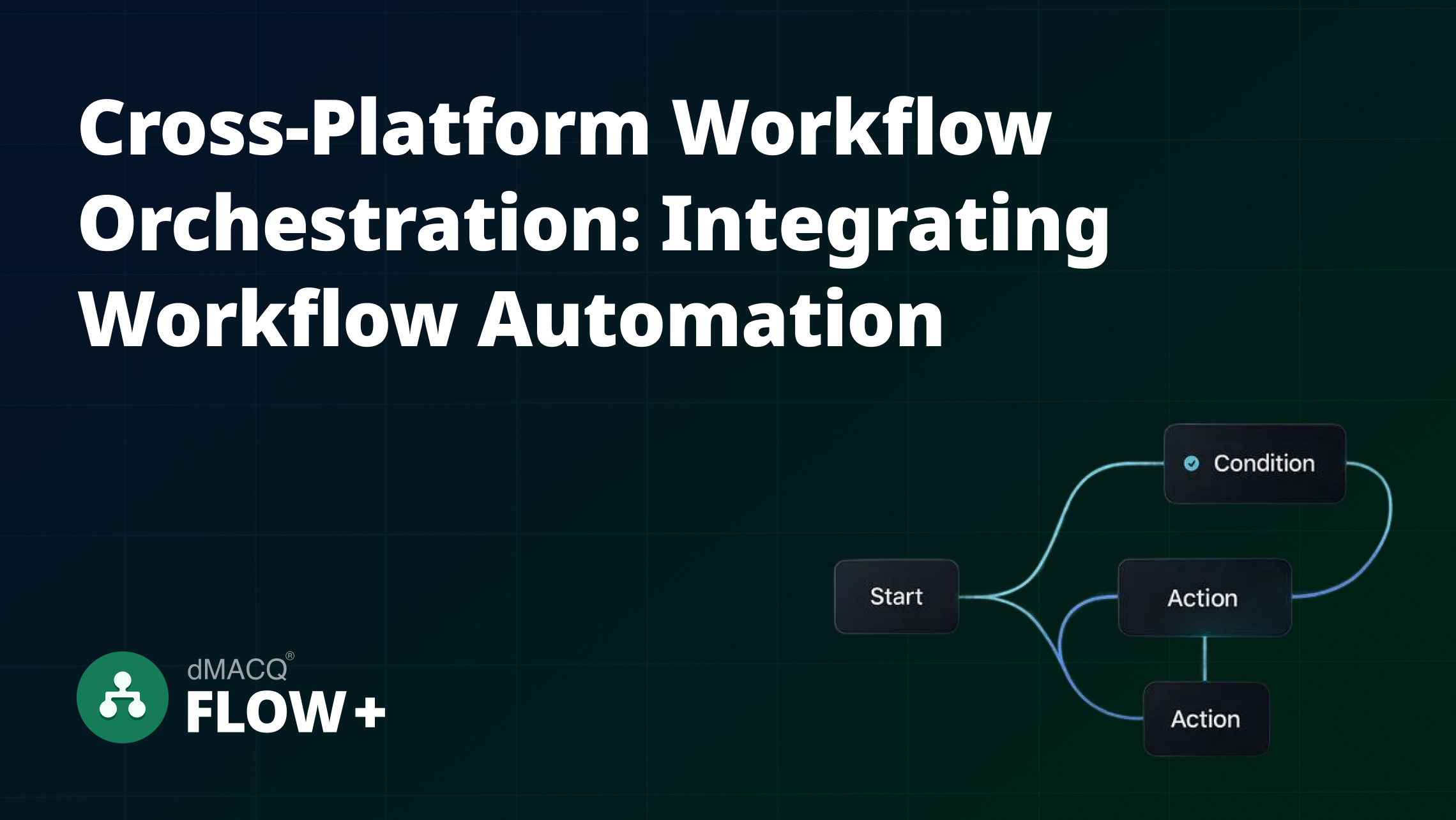
A connected approval workflow can coordinate selected activities using relevant information from the ITSM record. For example, the change request identifier and approved data fields may be passed to FLOW+ through a configured integration. FLOW+ can then route the review tasks according to defined rules. The integration method, data exchange and ability to return approval outcomes to the ITSM record depend on the systems and technical configuration involved. This is an application of the broader cross-platform workflow orchestration approach, where connected systems retain their respective roles while workflows coordinate activities across them.
How an ITSM-to-FLOW+ Approval Workflow Can Operate
A practical implementation can separate the ITSM record from the internal approval coordination process. The following is an illustrative model; the actual sequence should reflect the organization's change policy and available integration capabilities.
-
Change request is recorded: An employee or IT team creates a change request in the existing ITSM platform. The record includes the change description, affected systems, business reason and relevant implementation information.
-
Review tasks are assigned: Based on configured rules and the information supplied, FLOW+ routes the request to the appropriate reviewers. Depending on the change, this may involve IT Operations, Information Security, Compliance, Finance or a business owner.
This approach allows organizations to coordinate cross-functional approvals without maintaining a separate, disconnected record of the entire IT change lifecycle.
Which IT Change Activities Can Be Coordinated Through Workflow Automation?
The value of an additional workflow layer depends on the organization's approval requirements. It is most useful when a change request involves multiple teams, conditional reviews or handoffs that are difficult to coordinate through the existing process.
Common activities that may be coordinated include:
The workflow should coordinate decisions made by authorized stakeholders. It should not automatically determine technical risk, approve a change without the required authority or replace the organization's established change control policy.
When Is the Existing ITSM Platform Sufficient?
A separate workflow automation layer is not necessary for every IT change process. Many ITSM platforms already provide configurable change records, approval stages, task assignments, notifications and lifecycle tracking. If the existing platform can manage the organization's required reviews and handoffs, extending its native capabilities may be the simplest approach.
For example, a routine software update may follow an established approval path within the ITSM platform. If the request requires only an IT manager's authorization and a scheduled implementation task, introducing another system could add unnecessary configuration and integration work. Organizations should first evaluate their current ITSM capabilities and identify the specific process gaps before introducing another platform.
When Does an Additional Workflow Layer Add Value?
An additional workflow layer may be useful when change approvals extend beyond the IT team and involve several departments with different responsibilities. This can happen when a change affects business-critical applications, sensitive information, financial systems or services used across multiple business units.
For example, an infrastructure change may require technical validation from IT Operations, a security review, confirmation from the application owner and a separate business approval. If the existing ITSM configuration cannot coordinate these activities effectively, FLOW+ can be configured to manage the internal task assignments, approval routing, reminders and workflow visibility. The ITSM platform can continue to serve as the primary system for the change record and technical lifecycle.
How FLOW+ Supports IT Change Approval Coordination
FLOW+ provides configurable workflow capabilities that can support structured approval processes. Organizations can define approval stages, assign responsibilities, configure routing rules and monitor workflow progress. Where the process requires multiple reviewers, sequential or parallel activities can be configured according to the organization's approval structure.
For IT change processes, this can help coordinate reviews across IT Operations, Information Security, Finance, Compliance and business stakeholders. FLOW+ can also support reminders, escalations and visibility into pending actions. Connecting it with an existing ITSM platform requires a suitable integration approach, such as an available connector or configured API. Specific connector availability, data fields, event triggers and write-back functionality should be confirmed during technical evaluation. Organizations can also apply principles from event-driven workflow triggers where supported integration events are used to initiate configured workflow activities.
Integration Considerations Before Automating IT Change Requests
Connecting an ITSM platform with a workflow automation solution requires more than transferring a ticket number. Organizations should define what information needs to move between the systems, which platform owns each record and how approval outcomes will be communicated.
Before implementation, consider the following:
-
Data exchange: Identify the fields required by the approval workflow, such as request ID, change category, affected service, owner and relevant supporting information.
These decisions help prevent duplicate records, inconsistent statuses and unclear ownership between applications. Integration feasibility should be validated with the relevant IT and platform teams before the workflow is deployed.
Practical Example: Coordinating an Infrastructure Change Request
Consider an organization planning an infrastructure upgrade that may affect several internal applications. The IT team creates a change request in its ITSM platform and records the affected services, proposed implementation window, technical plan and expected business impact. The organization then uses FLOW+ to coordinate the additional internal reviews: IT Operations receives the technical review task, Information Security evaluates the security implications and the application owner confirms business readiness. If the request requires further approval, the workflow routes it to the designated authority, while configured reminders or escalations help monitor overdue actions.
Once the required decisions are collected, the approval outcome is communicated to the change owner and recorded in the ITSM platform where the integration supports that exchange. The authorized IT team then follows its established process for scheduling, implementing and reviewing the change. FLOW+ coordinates the approval activities; it does not perform the infrastructure upgrade or replace the ITSM platform's technical change-management functions.
How to Evaluate Whether IT Change Workflow Automation Is Needed
Before introducing an additional platform, IT leaders should review the current change request process and identify where delays or coordination gaps occur. The objective is to determine whether the problem is caused by missing ITSM functionality, unclear approval responsibilities or manual handoffs between systems.
A practical assessment should examine:
- Whether the existing ITSM platform supports all required approval stages.
- Whether reviews frequently involve teams outside IT.
- Whether approval ownership and deadlines are clearly defined.
- Whether employees rely on email or spreadsheets to track pending decisions.
- Whether approval outcomes are consistently recorded in the ITSM change record.
- Whether the proposed integration can exchange the required information reliably.
If the existing ITSM platform already meets these requirements, improving its configuration may be sufficient. If cross-functional approval coordination remains fragmented, a workflow layer such as FLOW+ may provide a structured way to manage those activities.
Conclusion
IT change request workflow automation can help organizations coordinate the reviews and approvals that take place around changes to applications, infrastructure and business services. Connecting an ITSM ticket with a configurable approval workflow can establish clear ownership, organize cross-functional reviews and provide visibility into pending decisions without requiring the organization to replace its existing ITSM platform.
FLOW+ can support this coordination through configurable workflows, routing, reminders, escalations and process visibility. Its role should remain clearly defined: coordinate internal approval activities while the ITSM platform continues to manage the primary change record and technical lifecycle. Organizations should assess their existing ITSM capabilities and confirm integration feasibility before deciding whether an additional workflow layer is necessary.