Introduction
The energy sector is experiencing rapid change as organizations modernize ageing infrastructure, expand renewable energy initiatives and adapt to evolving regulatory requirements. At the same time, they must manage increasing volumes of engineering drawings, maintenance records, inspection reports, operational logs and compliance documents that support critical business functions. When this information remains fragmented across paper files and disconnected systems, it becomes difficult to maintain efficiency, collaboration and operational resilience.
Digital transformation helps energy companies overcome these challenges by improving how information is captured, accessed and shared across the enterprise. However, successful transformation is not driven by technology alone. It begins with making business information accurate, accessible and ready to support everyday operations. Establishing this information foundation enables organizations to make better decisions, improve asset performance and prepare for future innovation.
Why Digital Transformation Is Reshaping the Energy Sector
Energy companies operate in an environment where uninterrupted operations, regulatory compliance and infrastructure reliability are essential. Whether managing power plants, transmission networks, renewable energy assets or utility services, organizations depend on timely access to accurate information to keep operations running efficiently.
Several industry trends are accelerating digital transformation:
Meeting these demands requires more than adopting new technologies. It requires transforming how business information is managed across the organization.
The Hidden Barrier to Digital Transformation
Many energy companies invest in cloud platforms, analytics and automation while overlooking one of the biggest obstacles to transformation: information that still exists on paper or in disconnected legacy repositories.
Engineering drawings, equipment manuals, maintenance histories, inspection reports and compliance records often remain stored in physical archives or isolated departmental systems. Although these documents contain valuable operational knowledge, they are difficult to search, retrieve and share when needed.
As a result, employees spend valuable time locating information instead of using it to support maintenance, engineering projects, regulatory reporting and operational planning.
Why Information Readiness Comes Before Technology Adoption
Modern technologies can only deliver value when they have access to reliable information.
If critical information remains trapped in paper documents, organizations cannot fully realize the benefits of these technologies. Preparing business information for digital use is therefore one of the most important steps in any digital transformation initiative.
How Document and Data Digitization Accelerate Digital Transformation
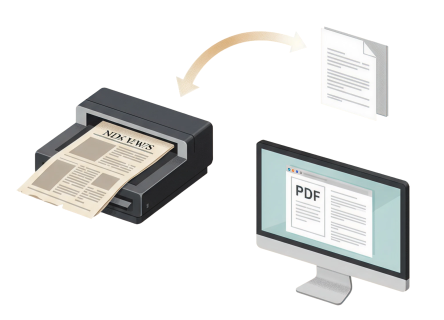
Document and data digitization transform physical records into searchable, structured and business-ready digital information. Instead of spending time locating paper files, employees can quickly access the information they need to support operational and strategic decisions.
Solutions such as Digi+ help organizations digitize engineering drawings, maintenance records, compliance documents, customer files and other business-critical information while improving searchability through OCR, intelligent indexing and metadata capture. This creates a reliable information foundation that supports both current operations and future digital initiatives.
Five Ways Digital Transformation Creates Business Value
1. Improves Operational Efficiency
Quick access to digital information reduces delays caused by manual document retrieval. Engineering teams, maintenance personnel and operations managers can locate the latest records within seconds, improving productivity and reducing downtime across critical operations.
2. Strengthens Asset Lifecycle Management
Every asset generates valuable documentation throughout its lifecycle, from design and installation to inspections and maintenance. Digitized information provides a complete and accessible asset history, helping organizations improve maintenance planning, reduce equipment failures and extend asset life.
3. Enhances Regulatory Compliance
Energy companies must maintain accurate documentation to demonstrate compliance with industry, environmental and safety regulations. Digitized records simplify document retrieval, improve traceability and enable organizations to respond more efficiently during audits and inspections.
4. Enables Better Collaboration
Engineering, operations, maintenance and compliance teams often rely on the same business information. Digitized records provide a shared source of information that reduces duplication, minimizes communication gaps and supports faster decision-making across departments.
5. Supports Smarter Business Decisions
When business information is accurate, searchable and readily available, organizations can identify operational trends, evaluate asset performance and make informed decisions based on reliable data rather than incomplete or outdated records.
Best Practices for Beginning Your Digital Transformation Journey
Identify High-Value Information
Start by digitizing documents that have the greatest operational impact, such as engineering drawings, equipment manuals, maintenance logs, inspection reports, compliance records and project documentation. Prioritizing business-critical information delivers faster value while reducing implementation complexity.
Standardize Information Before Digitization
Define consistent document naming conventions, metadata fields and indexing standards before digitization begins. Standardized information improves searchability, simplifies retrieval and ensures digital records remain useful across the organization.
Establish Information Governance
Assign ownership for document quality, retention and security from the beginning of the project. Clear governance practices help maintain information accuracy and ensure digital records continue to support business operations long after digitization is complete.
Implement in Phases
Rather than digitizing every department at once, begin with a focused project that addresses a specific business need. A phased implementation allows organizations to validate processes, measure outcomes and expand confidently based on proven results.
Real-World Applications of Digital Transformation in the Energy Sector
Power Generation Facilities
Power generation companies manage thousands of engineering drawings, operating procedures, inspection reports and maintenance records throughout the lifecycle of critical assets. Digitizing these documents improves information accessibility, helps maintenance teams retrieve the latest records quickly and supports safer, more efficient plant operations.
Renewable Energy Projects
Solar parks, wind farms and hydroelectric facilities generate extensive documentation during planning, construction and ongoing operations. Converting these records into searchable digital information enables project teams to collaborate more effectively, monitor asset performance and simplify long-term documentation management.
Transmission and Distribution Networks
Transmission utilities maintain network diagrams, equipment records, inspection reports and field service documentation across geographically distributed assets. Digital information allows field engineers and operations teams to access accurate records faster, reducing response times during maintenance activities and service interruptions.
Regulatory and Environmental Compliance
Energy organizations regularly demonstrate compliance with environmental, operational and safety regulations. Digitized documentation simplifies record retrieval, improves document traceability and enables organizations to respond more efficiently to audits, inspections and regulatory reporting requirements.
Measuring the Success of Digital Transformation
Successful digital transformation should deliver measurable business outcomes rather than simply replacing paper with digital files. Establishing performance indicators helps organizations evaluate progress and identify opportunities for continuous improvement.
Faster Information Retrieval
Measure how long employees take to locate engineering drawings, maintenance histories or compliance records before and after digitization. Reduced search times directly improve productivity across engineering, operations and maintenance teams.
Improved Operational Efficiency
Track metrics such as maintenance turnaround time, project completion schedules and document processing efficiency. Easier access to reliable information helps employees complete tasks more quickly while reducing unnecessary administrative effort.
Stronger Compliance Performance
Evaluate audit preparation time, document availability and record accuracy. Well-organized digital information reduces the effort required to demonstrate compliance while improving confidence during internal and external audits.
Lower Information Management Costs
Compare expenses related to paper storage, physical document retrieval, printing and record administration before and after digitization. Lower operational costs demonstrate the long-term value of modernizing business information.
Common Mistakes to Avoid
Viewing Digitization as a Scanning Exercise
Simply creating digital images of paper documents does not deliver the full value of digital transformation. Information should be searchable, properly indexed and organized so employees can quickly locate and use it in daily operations.
Ignoring Historical Business Records
Legacy engineering drawings, maintenance histories and operational records often contain decades of valuable knowledge. Excluding these documents from digitization creates information gaps that can affect future maintenance, asset planning and regulatory compliance.
Poor Metadata and Indexing Standards
Without consistent metadata and document classification, digital records become difficult to search and manage. Establishing clear indexing standards during digitization ensures information remains accessible as document volumes continue to grow.
Focusing Only on Technology
Digital transformation is ultimately about improving business processes through better information. Technology is an enabler, but long-term success depends on accurate, accessible and well-managed business information that employees can trust.
Frequently Asked Questions
What is digital transformation in the energy sector?
Digital transformation involves using digital technologies to improve how energy companies manage information, assets and business operations. It enables organizations to improve efficiency, strengthen compliance and make better decisions using reliable digital information.
Why is document and data digitization important for energy companies?
Document and data digitization convert paper records into searchable digital information. This improves accessibility, supports faster decision-making and provides the information foundation required for broader digital transformation initiatives.
Which documents should energy companies digitize first?
Organizations should prioritize engineering drawings, equipment manuals, maintenance records, inspection reports, operational procedures, compliance documentation and other records that directly support daily operations and regulatory obligations.
How does digitization support digital transformation?
Digital transformation depends on accurate and accessible information. Digitization makes business information searchable and available across the organization, enabling technologies such as analytics, automation and artificial intelligence to deliver greater business value.
How can organizations start their digital transformation journey?
A practical starting point is to identify high-value business records, establish information standards and digitize documents that support critical operations. Building a strong digital information foundation allows organizations to modernize business processes in a structured and scalable way.
Conclusion
Digital transformation is reshaping the energy sector by helping organizations operate more efficiently, improve asset performance and respond more effectively to evolving business and regulatory demands. While technologies such as analytics, automation and artificial intelligence continue to advance, their success depends on one essential factor: access to accurate and reliable business information.
Document and data digitization provide that foundation by transforming paper-based records into searchable, structured and business-ready digital information. By investing in information readiness, energy companies can unlock greater value from their existing records, support smarter decision-making and build a stronger foundation for long-term digital transformation.